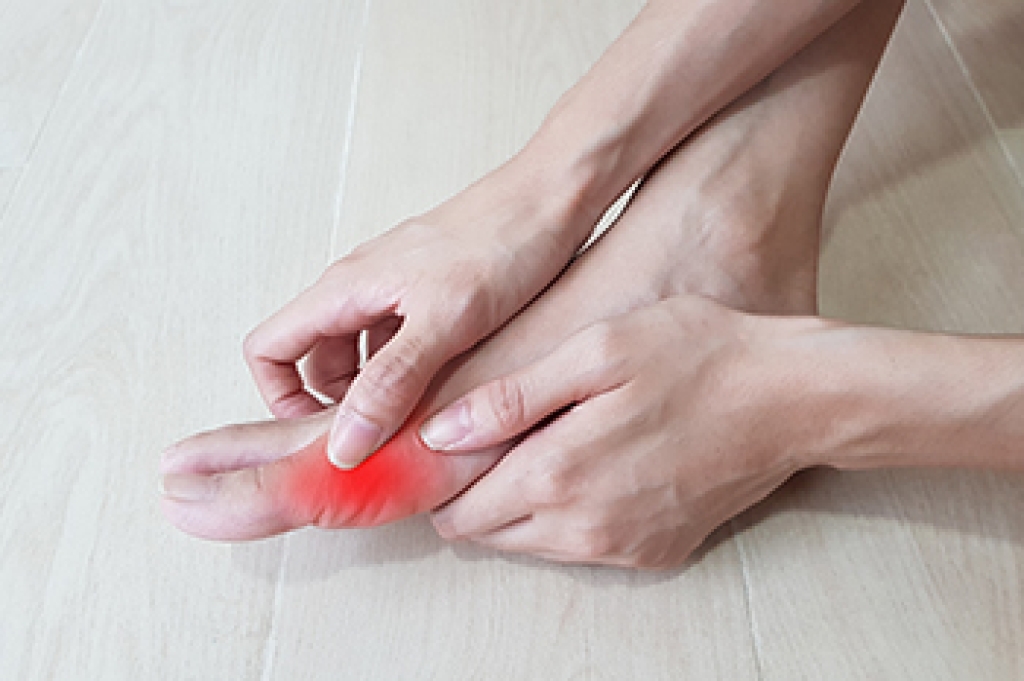
Gout Attacks and How to Find Relief

Gout can cause sudden, intense foot pain that makes even the lightest touch uncomfortable. It is a form of arthritis that develops when uric acid builds up and forms sharp crystals inside a joint. Uric acid is a waste product that the body normally removes through the kidneys. When too much remains in the blood, crystals can collect in joints and trigger painful swelling. Gout frequently affects the big toe, although the ankles and other foot joints can also become involved. Symptoms include redness, warmth, and severe tenderness. Attacks can begin unexpectedly, sometimes during the night. The affected joint may become so sensitive that even pressure from a bedsheet feels painful.

Several factors can increase the likelihood of gout attacks. Family history and reduced kidney function can make it harder for the body to manage uric acid. Certain medications can also raise uric acid levels. Foods rich in substances called purines, including red meat and some seafood, can contribute to the problem. Sugary drinks and alcohol can increase the risk as well. Gout attacks sometimes disappear for weeks or months before returning. However, repeated attacks can damage joints and lead to firm lumps beneath the skin. Because an infected joint can resemble gout, sudden swelling with fever needs urgent assessment. A proper diagnosis helps guide effective treatment.

A podiatrist can examine a painful foot, review your symptoms, and assess the affected joints. Blood tests or imaging may help with diagnosis, although a joint fluid test is sometimes necessary to confirm gout. Treatment can involve medication to reduce inflammation during an attack. Long-term care may require medication that lowers uric acid and helps prevent future attacks. A podiatrist can also recommend shoes with enough room around swollen toes and assess pressure points that worsen discomfort. Regular follow-up can help track symptoms and protect foot function. If you have had one or more gout attacks, it is suggested that you are under the care of a podiatrist who can help you to manage this painful condition. 

Gout is a painful condition that can be treated. If you are seeking treatment, contact Pedram Aslmand, DPM from Advanced Foot and Ankle Center. Our podiatrist will treat your foot and ankle needs.

What Is Gout?

Gout is a form of arthritis that is characterized by sudden, severe attacks of pain, redness, and tenderness in the joints. The condition usually affects the joint at the base of the big toe. A gout attack can occur at any random time, such as the middle of the night while you are asleep.

Symptoms

  • Intense Joint Pain - Usually around the large joint of your big toe, and it most severe within the first four to twelve hours
  • Lingering Discomfort - Joint discomfort may last from a few days to a few weeks
  • Inflammation and Redness -Affected joints may become swollen, tender, warm and red
  • Limited Range of Motion - May experience a decrease in joint mobility

Risk Factors

  • Genetics - If family members have gout, you’re more likely to have it
  • Medications - Diuretic medications can raise uric acid levels
  • Gender/Age - Gout is more common in men until the age of 60. It is believed that estrogen protects women until that point
  • Diet - Eating red meat and shellfish increases your risk
  • Alcohol - Having more than two alcoholic drinks per day increases your risk
  • Obesity - Obese people are at a higher risk for gout

Prior to visiting your podiatrist to receive treatment for gout, there are a few things you should do beforehand. If you have gout you should write down your symptoms--including when they started and how often you experience them, important medical information you may have, and any questions you may have. Writing down these three things will help your podiatrist in assessing your specific situation so that he or she may provide the best route of treatment for you.

If you have any questions, please feel free to contact our offices located in Long Beach, CA . We offer the newest diagnostic and treatment technologies for all your foot care needs.


Read more about Gout

When to See a Podiatrist for Athlete’s Foot

An itch between the toes might seem minor, but it could signal athlete’s foot, a fungal infection that affects the skin. Despite its name, this infection also affects people who never play sports. The fungus thrives in warm, damp places like shared showers and locker rooms. Contact with contaminated floors or infected skin allows it to spread. Sweaty feet and shoes that trap moisture create conditions that encourage fungal growth. The rash frequently starts between the fourth and fifth toes. It also affects the soles or sides of the feet, where dry, scaly skin sometimes resembles ordinary dryness.

Symptoms include itching, burning, and peeling skin. Some patients develop blisters or painful cracks that make walking uncomfortable. Skin between the toes might look white and softened, while other areas appear inflamed. Redness is sometimes less noticeable on darker skin. Scratching damages the skin and increases the risk of spreading the infection to other areas. Untreated athlete’s foot sometimes spreads to the toenails, making treatment more difficult. Breaks in the skin also provide an opening for bacteria. Patients with diabetes or poor circulation face greater risks from skin injuries and should seek prompt assessment. Spreading redness, warmth, or increasing pain requires urgent medical attention. 

A podiatrist examines the affected skin and asks about symptoms to identify the likely cause. Because eczema and other skin conditions resemble athlete’s foot, a small skin scraping helps confirm a fungal infection when the diagnosis is uncertain. Treatment targets the fungus and depends on the infection’s extent and severity. A podiatrist selects appropriate antifungal treatment and explains the expected recovery period. Follow-up visits help assess healing and address persistent symptoms. The podiatrist also checks for nail involvement and evaluates factors contributing to repeated infections. This helps guide treatment when symptoms return. If you have symptoms of an athlete’s foot infection, it is suggested that you schedule an appointment with a podiatrist for a diagnosis and appropriate treatment, which may include prescribed medication.

Athlete’s Foot

Athlete’s foot is often an uncomfortable condition to experience. Thankfully, podiatrists specialize in treating athlete’s foot and offer the best treatment options. If you have any questions about athlete’s foot, consult with Pedram Aslmand, DPM from Advanced Foot and Ankle Center. Our podiatrist will assess your condition and provide you with quality treatment.

What Is Athlete’s Foot?

Tinea pedis, more commonly known as athlete’s foot, is a non-serious and common fungal infection of the foot. Athlete’s foot is contagious and can be contracted by touching someone who has it or infected surfaces. The most common places contaminated by it are public showers, locker rooms, and swimming pools. Once contracted, it grows on feet that are left inside moist, dark, and warm shoes and socks.

Prevention

The most effective ways to prevent athlete’s foot include:

  • Thoroughly washing and drying feet
  • Avoid going barefoot in locker rooms and public showers
  • Using shower shoes in public showers
  • Wearing socks that allow the feet to breathe
  • Changing socks and shoes frequently if you sweat a lot

Symptoms

Athlete’s foot initially occurs as a rash between the toes. However, if left undiagnosed, it can spread to the sides and bottom of the feet, toenails, and if touched by hand, the hands themselves. Symptoms include:

  • Redness
  • Burning
  • Itching
  • Scaly and peeling skin

Diagnosis and Treatment

Diagnosis is quick and easy. Skin samples will be taken and either viewed under a microscope or sent to a lab for testing. Sometimes, a podiatrist can diagnose it based on simply looking at it. Once confirmed, treatment options include oral and topical antifungal medications.

If you have any questions, please feel free to contact our offices located in Long Beach, CA . We offer the newest diagnostic and treatment technologies for all your foot care needs.

Read more about Athlete’s Foot

Why Live with Pain and Numbness in Your Feet?

Suffering from this type of pain? You may have the foot condition known as Morton's neuroma. Morton's neuroma may develop as a result of ill-fitting footwear and existing foot deformities. We can help.

Finding Relief From Tarsal Tunnel Syndrome

Burning pain near your ankle can make movement uncomfortable. One possible cause is tarsal tunnel syndrome, which develops when a nerve becomes squeezed inside a narrow passage along the inner ankle. This passage is called the tarsal tunnel. The nerve provides feeling to the sole of the foot. When pressure builds around it, you might notice tingling, numbness, or sharp pain. Discomfort can spread from the ankle into the arch or sole. Symptoms can affect one foot or both. They may worsen with activity and ease with rest.

Several factors can increase pressure inside the tarsal tunnel. Flat feet can cause the ankle to roll inward, placing extra strain on nearby tissues. A sudden increase in running or other demanding activity can also trigger symptoms. Swelling around ankle tendons may crowd the nerve. Other causes include excess weight or a cyst. Because these symptoms can resemble other foot problems, an accurate diagnosis matters. A podiatrist can examine your foot, review when the discomfort began, and check how your ankle moves. In some cases, an MRI scan or nerve test can help confirm the cause.

Treatment focuses on relieving nerve pressure and improving comfort. A podiatrist may recommend supportive shoes that help control inward foot movement. Custom shoe inserts can improve foot position and reduce strain around the ankle. A podiatrist also guides targeted stretching and strengthening exercises or recommends a brace for additional support. Early evaluation helps guide care. If you have symptoms of tarsal tunnel syndrome, it is suggested that you schedule an appointment with a podiatrist for diagnosis and treatment.

Tarsal tunnel syndrome can be very uncomfortable to live with. If you are experiencing tarsal tunnel syndrome, contact Pedram Aslmand, DPM of Advanced Foot and Ankle Center. Our podiatrist can provide the care you need to keep you pain-free and on your feet.

Tarsal Tunnel Syndrome

Tarsal tunnel syndrome, which can also be called tibial nerve dysfunction, is an uncommon condition of misfiring peripheral nerves in the foot. The tibial nerve is the peripheral nerve in the leg responsible for sensation and movement of the foot and calf muscles. In tarsal tunnel syndrome, the tibial nerve is damaged, causing problems with movement and feeling in the foot of the affected leg.

Common Cause of Tarsal Tunnel Syndrome

  • Involves pressure or an injury, direct pressure on the tibial nerve for an extended period of time, sometimes caused by other body structures close by or near the knee.
  • Diseases that damage nerves, including diabetes, may cause tarsal tunnel syndrome.
  • At times, tarsal tunnel syndrome can appear without an obvious cause in some cases.

The Effects of Tarsal Tunnel Syndrome

  • Different sensations, an afflicted person may experience pain, tingling, burning or other unusual sensations in the foot of the affected leg.
  • The foot muscles, toes and ankle become weaker, and curling your toes or flexing your foot can become difficult.
  • If condition worsens, infections and ulcers may develop on the foot that is experiencing the syndrome.

A physical exam of the leg can help identify the presence of tarsal tunnel syndrome. Medical tests, such as a nerve biopsy, are also used to diagnose the condition. Patients may receive physical therapy and prescriptive medication. In extreme cases, some may require surgery.

If you have any questions please contact our offices located in Long Beach, CA . We offer the newest diagnostic and treatment technologies for all your foot and ankle needs.

Read more about Treating Tarsal Tunnel Syndrome

When Fallen Arches Cause Pain and Walking Problems

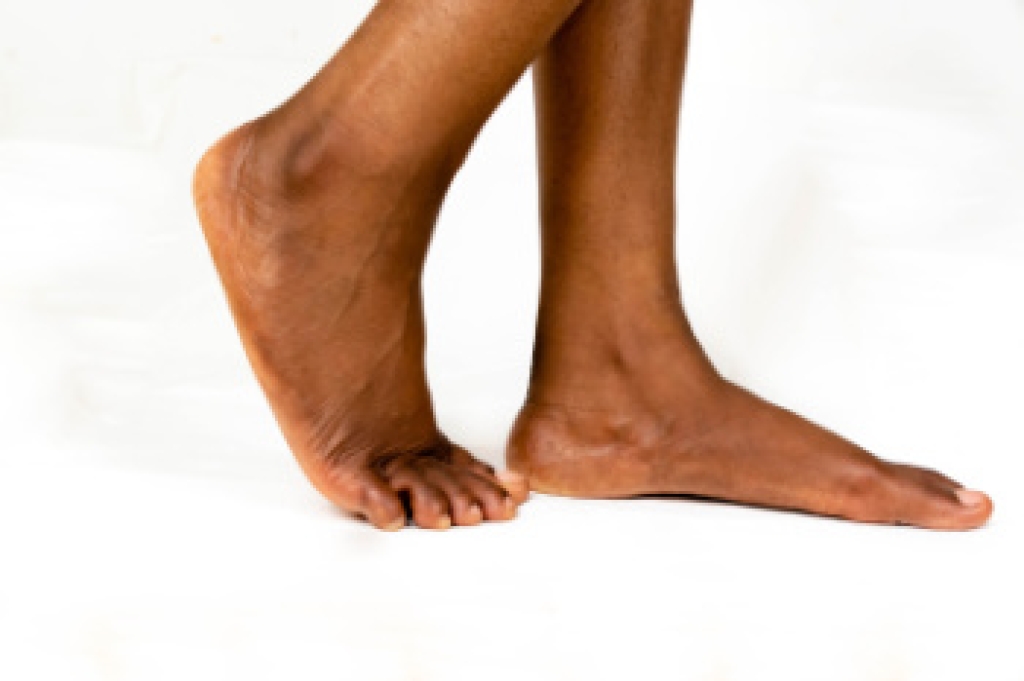
Flat feet occur when the arch along the inside of the foot is lower than usual or rests flat against the ground. Some people have flat feet without pain or difficulty, while others develop symptoms that affect normal daily movement. Pain or tiredness can occur in the feet, ankles, or legs, especially after physical activity. Stiffness and swelling can also develop in the feet or ankles. Another sign is uneven shoe wear, especially near the inside of the heel. Flat feet can affect one foot or both feet and can sometimes change the way a person walks.

Several factors can contribute to flat feet. In children, low arches are often part of normal development, and many children develop arches as they grow. Flat feet can also run in families. Tight muscles or tendons can affect the arch, and excess body weight can place added stress on the feet. Some patients develop flat feet later in life as the arch flattens. When flat feet cause pain, stiffness, or difficulty walking, an evaluation can help determine how the condition is affecting foot function.

A podiatrist can examine the feet while a patient is standing and walking to evaluate arch shape and movement. The assessment can also consider pain and problems with running or sports. When treatment is appropriate, a podiatrist can recommend orthotics, which are special shoe inserts designed to support the feet and manage related pain. A podiatrist can also recommend shoes that provide proper support and fit the natural shape of the foot. Treatment depends on symptoms and how flat feet affect movement. If you have symptoms of flat feet, it is suggested that you schedule an appointment with a podiatrist for diagnosis and treatment.

Flatfoot is a condition many people suffer from. If you have flat feet, contact Pedram Aslmand, DPM from Advanced Foot and Ankle Center. Our podiatrist will treat your foot and ankle needs.

What Are Flat Feet?

Flatfoot is a condition in which the arch of the foot is depressed and the sole of the foot is almost completely in contact with the ground. About 20-30% of the population generally has flat feet because their arches never formed during growth.

Conditions & Problems:

Having flat feet makes it difficult to run or walk because of the stress placed on the ankles.

Alignment – The general alignment of your legs can be disrupted, because the ankles move inward which can cause major discomfort.

Knees – If you have complications with your knees, flat feet can be a contributor to arthritis in that area.  

Symptoms

  • Pain around the heel or arch area
  • Trouble standing on the tip toe
  • Swelling around the inside of the ankle
  • Flat look to one or both feet
  • Having your shoes feel uneven when worn

Treatment

If you are experiencing pain and stress on the foot you may weaken the posterior tibial tendon, which runs around the inside of the ankle. 

If you have any questions, please feel free to contact our offices located in Long Beach, CA . We offer the newest diagnostic and treatment technologies for all your foot care needs.
Read more about What is Flexible Flat Foot?

Connect With Us

Advanced Podiatric Procedures & Services in the Los Angeles County, CA: Long Beach, Signal Hill, Lakewood, Paramount, Carson, Compton, Cerritos, Bellflower, Downey, Norwalk, Huntington Park, Orange County, CA: Seal Beach, Los Alamitos, Cypress, Buena Park, Garden Grove, Fountain Valley areas