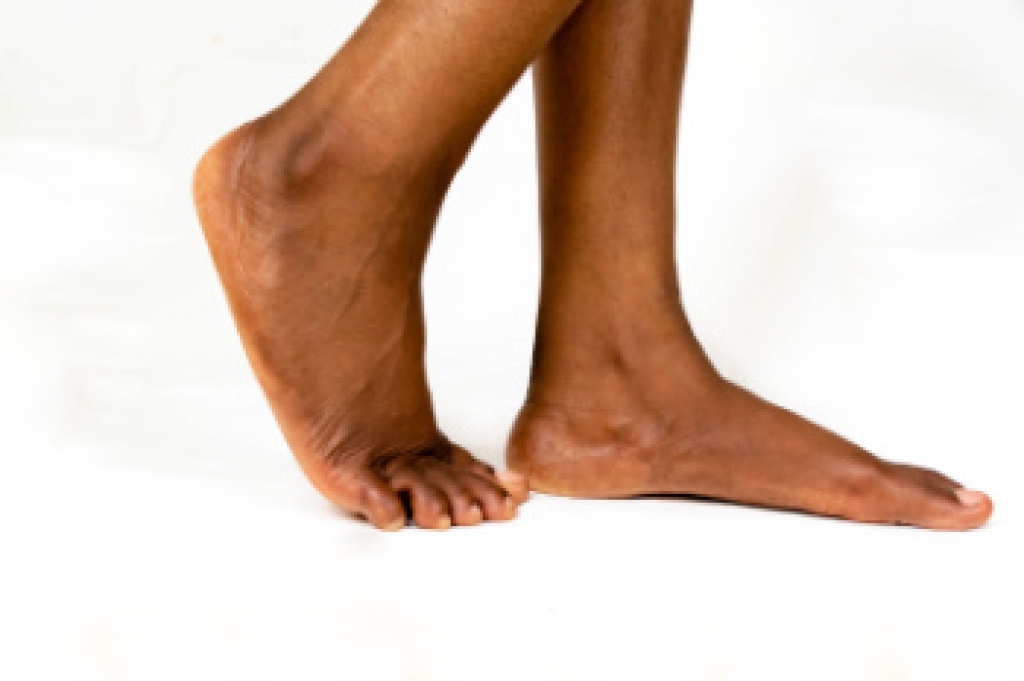
Common Causes and Care for a Broken Pinky Toe

A broken pinky toe is a frequent injury because this small outer toe is especially vulnerable to being stubbed against furniture or crushed during daily activities. Its position on the edge of the foot leaves it less protected from direct impact. Common symptoms include sharp pain, swelling, bruising, tenderness, and difficulty bearing weight. In some mild cases, taping the injured toe to the adjacent toe may provide support, but proper evaluation is important to confirm alignment and rule out complications. Risk factors include participation in sports, walking barefoot, environmental problems, like poor lighting, and reduced bone strength. A podiatrist can diagnose the fracture, recommend appropriate treatment, and guide healing. If you have injured or broken your pinky toe, it is suggested that you consult a podiatrist who can effectively treat this condition.

A broken toe can be very painful and lead to complications if not properly fixed. If you have any concerns about your feet, contact Pedram Aslmand, DPM from Advanced Foot and Ankle Center. Our podiatrist will treat your foot and ankle needs.

What to Know About a Broken Toe

Although most people try to avoid foot trauma such as banging, stubbing, or dropping heavy objects on their feet, the unfortunate fact is that it is a common occurrence. Given the fact that toes are positioned in front of the feet, they typically sustain the brunt of such trauma. When trauma occurs to a toe, the result can be a painful break (fracture).

Symptoms of a Broken Toe

  • Throbbing pain
  • Swelling
  • Bruising on the skin and toenail
  • The inability to move the toe
  • Toe appears crooked or disfigured
  • Tingling or numbness in the toe

Generally, it is best to stay off of the injured toe with the affected foot elevated.

Severe toe fractures may be treated with a splint, cast, and in some cases, minor surgery. Due to its position and the pressure it endures with daily activity, future complications can occur if the big toe is not properly treated.

If you have any questions, please feel free to contact our offices located in Long Beach, CA . We offer the newest diagnostic and treatment technologies for all your foot care needs.

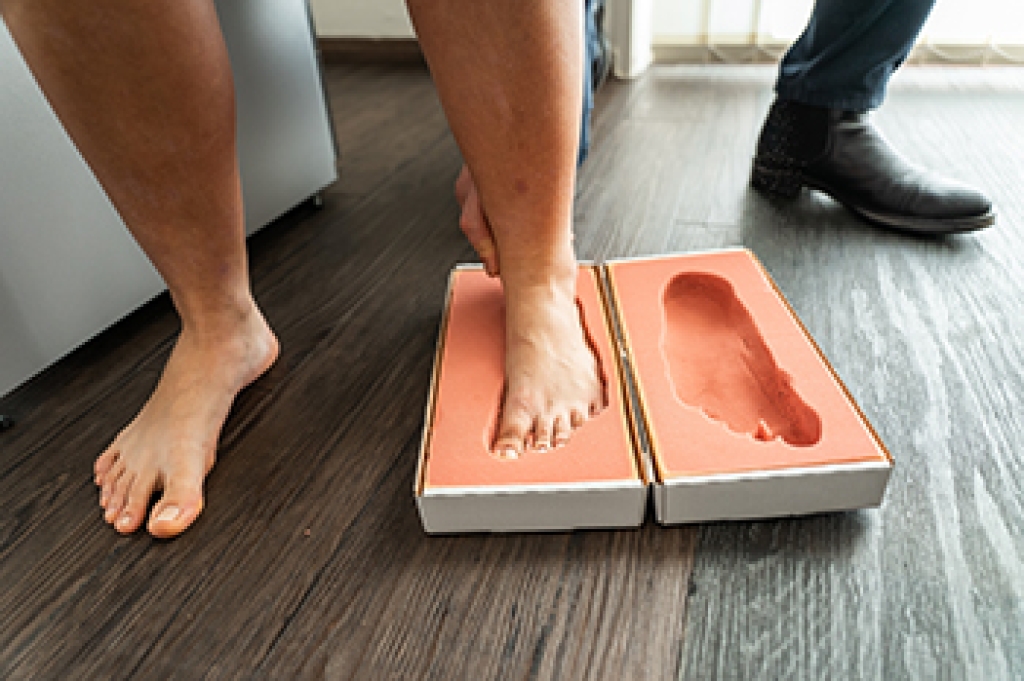
Read more about What to Know About a Broken Toe

How to Prevent Falls at Home

Falls in the home are a common concern, especially for older adults, and can result from poor balance, muscle weakness, foot pain, or environmental hazards. Cluttered walkways, loose rugs, and slippery bathroom surfaces often increase the risk of injury. Preventing falls begins with keeping living spaces clear and well organized, installing grab bars in the bathroom for added stability, using slip resistant bath mats, and refraining from using a ladder without proper support. Wearing supportive footwear indoors can also improve balance. A podiatrist can assess foot health, address pain or instability, and recommend supportive devices to enhance safety. If you have injured your foot or ankle from falling, it is suggested that you consult a podiatrist who can treat various foot conditions, and guide you on additional fall prevention techniques.

Preventing falls among the elderly is very important. If you are older and have fallen or fear that you are prone to falling, consult with Pedram Aslmand, DPM from Advanced Foot and Ankle Center. Our podiatrist will assess your condition and provide you with quality advice and care.

Every 11 seconds, an elderly American is being treated in an emergency room for a fall related injury. Falls are the leading cause of head and hip injuries for those 65 and older. Due to decreases in strength, balance, senses, and lack of awareness, elderly persons are very susceptible to falling. Thankfully, there are a number of things older persons can do to prevent falls.

How to Prevent Falls

Some effective methods that older persons can do to prevent falls include:

  • Enrolling in strength and balance exercise program to increase balance and strength
  • Periodically having your sight and hearing checked
  • Discuss any medications you have with a doctor to see if it increases the risk of falling
  • Clearing the house of falling hazards and installing devices like grab bars and railings
  • Utilizing a walker or cane
  • Wearing shoes that provide good support and cushioning
  • Talking to family members about falling and increasing awareness

Falling can be a traumatic and embarrassing experience for elderly persons; this can make them less willing to leave the house, and less willing to talk to someone about their fears of falling. Doing such things, however, will increase the likelihood of tripping or losing one’s balance. Knowing the causes of falling and how to prevent them is the best way to mitigate the risk of serious injury.  

If you have any questions, please feel free to contact our offices located in Long Beach, CA . We offer the newest diagnostic and treatment technologies for all your foot care needs.
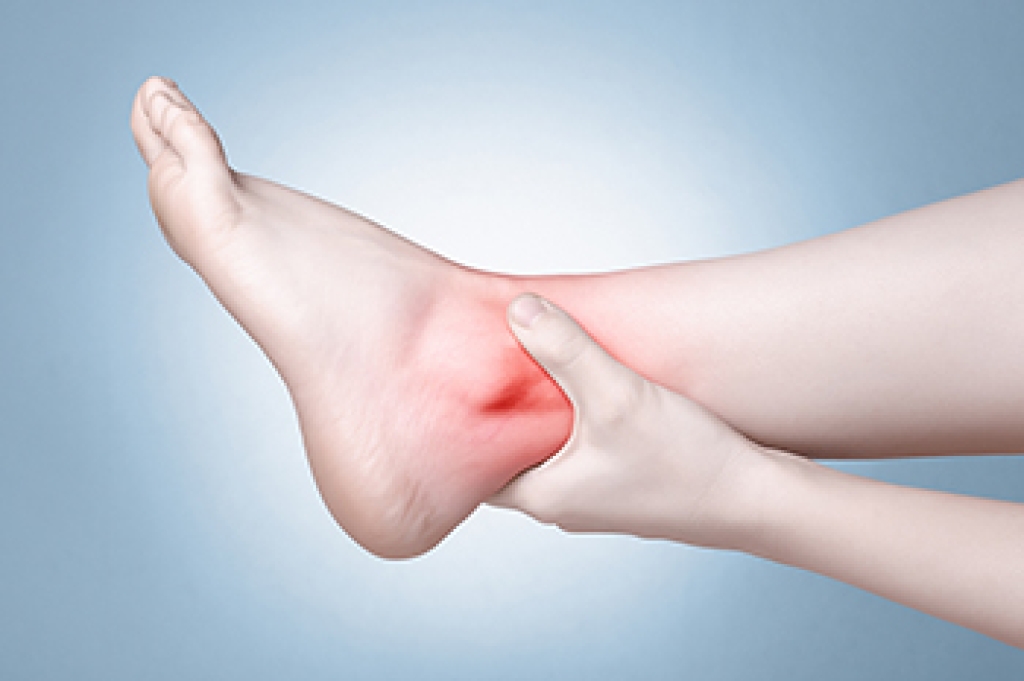
Read more about Falls Prevention

Plantar Warts Can Be Treated!

Plantar warts are small growths that develop on parts of the feet that bear weight. They're typically found on the bottom of the foot. Don't live with plantar warts, and call us today!

How a Bunion Forms

A bunion develops when the bones and soft tissues around the big toe joint slowly lose their normal alignment and stability. The process often begins when the small supporting bones and ligaments beneath the joint weaken and no longer hold the toe in its proper position. As this support breaks down, the base of the big toe starts to shift outward, forming a bump, while the top of the big toe angles toward the second toe. This causes the tendons that help bend and straighten the big toe to be pulled out of place, which increases the sideways drift of the toe. A muscle along the outside of the foot then pulls the big toe into a twisted position, making the joint unstable. Over time, the joint rotates and becomes loose, leading to a visibly angled big toe and the prominent bump seen with a bunion. If you have a painful bunion, it is suggested that you make an appointment with a podiatrist for help.

If you are suffering from bunions, contact Pedram Aslmand, DPM of Advanced Foot and Ankle Center. Our podiatrist can provide the care you need to keep you pain-free and on your feet.

What Is a Bunion?

A bunion is formed of swollen tissue or an enlargement of boney growth, usually located at the base joint of the toe that connects to the foot. The swelling occurs due to the bones in the big toe shifting inward, which impacts the other toes of the foot. This causes the area around the base of the big toe to become inflamed and painful.

Why Do Bunions Form?

Genetics – Susceptibility to bunions are often hereditary

Stress on the feet – Poorly fitted and uncomfortable footwear that places stress on feet, such as heels, can worsen existing bunions

How Are Bunions Diagnosed?

Podiatrists often perform two tests – blood tests and x-rays – when trying to diagnose bunions, especially in the early stages of development. Blood tests help determine if the foot pain is being caused by something else, such as arthritis, while x-rays provide a clear picture of your bone structure to your provider.

How Are Bunions Treated?

  • Refrain from wearing heels or similar shoes that cause discomfort
  • Select wider shoes that can provide more comfort and reduce pain
  • Anti-inflammatory and pain management drugs
  • Orthotics or foot inserts
  • Surgery

If you have any questions, please feel free to contact our offices located in Long Beach, CA . We offer the newest diagnostic and treatment technologies for all your foot care needs.

Read more about Bunions

Causes and Treatment of Overpronation

Overpronation occurs when the foot rolls inward excessively when walking or running, placing uneven stress on bones, ligaments, and tendons. Common causes of overpronation include flat feet, ligament laxity, obesity, pregnancy changes, ankle injury, and footwear that lacks adequate support. These mechanics can contribute to heel pain, arch strain, shin discomfort, knee symptoms, and abnormal shoe wear. A podiatrist evaluates overpronation through history, gait analysis, and examination of alignment and joint motion. Treatment focuses on restoring balanced mechanics and reducing strain on the lower extremities. Options include custom orthotics, changes in footwear, activity modification, and strengthening programs supervised by a podiatrist. Bracing or surgery may be needed when structural deformity is present and symptoms persist. If you are experiencing symptoms of overpronation, it is suggested that you make an appointment with a podiatrist for an exam, diagnosis, and treatment.

If you have any concerns about your feet, contact Pedram Aslmand, DPM from Advanced Foot and Ankle Center. Our podiatrist can provide the care you need to keep you pain-free and on your feet.

Biomechanics in Podiatry

Podiatric biomechanics is a particular sector of specialty podiatry with licensed practitioners who are trained to diagnose and treat conditions affecting the foot, ankle and lower leg. Biomechanics deals with the forces that act against the body, causing an interference with the biological structures. It focuses on the movement of the ankle, the foot and the forces that interact with them.

A History of Biomechanics

  • Biomechanics dates back to the BC era in Egypt where evidence of professional foot care has been recorded.
  • In 1974, biomechanics gained a higher profile from the studies of Merton Root, who claimed that by changing or controlling the forces between the ankle and the foot, corrections or conditions could be implemented to gain strength and coordination in the area.

Modern technological improvements are based on past theories and therapeutic processes that provide a better understanding of podiatric concepts for biomechanics. Computers can provide accurate information about the forces and patterns of the feet and lower legs.

Understanding biomechanics of the feet can help improve and eliminate pain, stopping further stress to the foot.

If you have any questions please feel free to contact our offices located in Long Beach, CA . We offer the newest diagnostic and treatment technologies for all your foot and ankle needs.

Read more about Biomechanics in Podiatry

Connect With Us

scroll to top