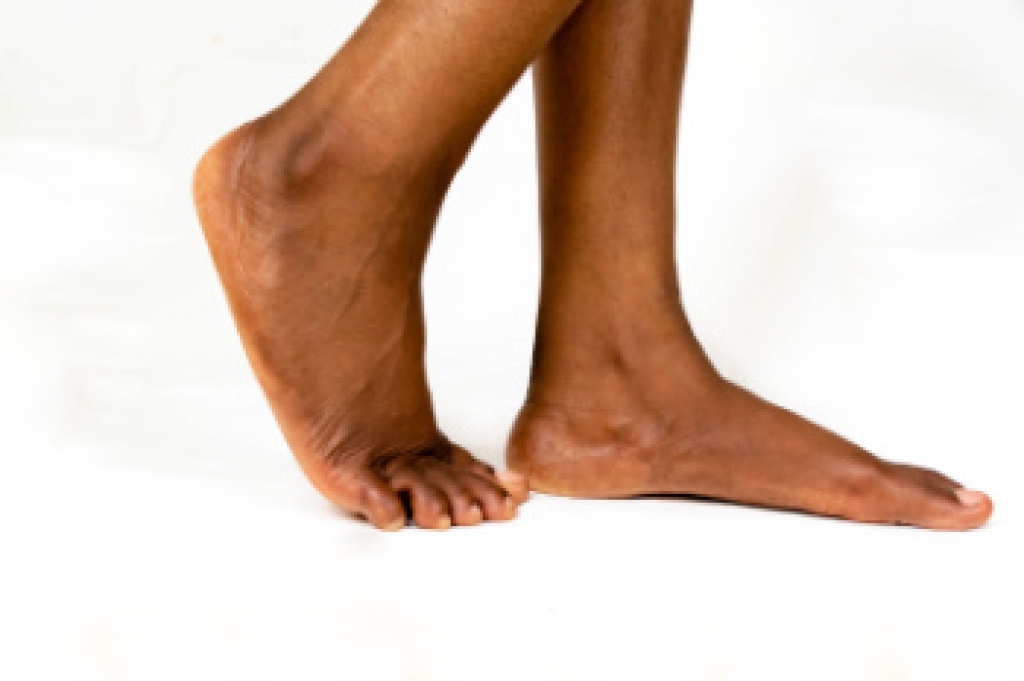
Foot Pressure Sores Can Lead to Serious Complications

Sores on the feet develop when pressure damages the skin and tissue beneath it. They frequently form over bony areas, especially the heels and ankles. People who spend long periods in bed, sit in a wheelchair, or have limited movement face increased risk. Diabetes and poor blood flow raise the risk, because wounds can be harder to notice and heal. Early signs include red or discolored skin, warmth, and tenderness. The area may feel firm or spongy. A sore can later become a blister or open wound, and, in severe cases, extend into deeper tissue.

Pressure is the main cause, but friction and sliding can add to the damage. Moisture can weaken the skin and make it more open to injury. Foot deformities, prominent bones, and shoes that create repeated pressure can lead to sores. Reduced feeling in the feet is concerning, because a patient may not notice pain or skin changes. A pressure sore should receive medical attention. Increasing redness, drainage, or swelling can point to infection. An unpleasant odor is another warning sign. Fever or spreading redness requires urgent care. Without treatment, the wound can deepen and affect muscle or bone.

A podiatrist can examine the pressure sore, measure its depth, and check blood flow and sensation in the foot. The evaluation also identifies the source of pressure and looks for infection. Treatment includes professional wound cleaning, dressings, and monitoring. The podiatrist can provide off-loading devices that shift weight away from the injured area. Orthotics or shoe changes can reduce harmful rubbing and pressure. For deeper sores, the podiatrist can remove damaged tissue to support healing and coordinate care with specialists. Early podiatric care can help limit tissue damage, reduce infection risk, and protect mobility. If you have pressure sores on your feet, it is suggested that you schedule an appointment with a podiatrist for effective relief and management solutions. 

Wound care is an important part in dealing with diabetes. If you have diabetes and a foot wound or would like more information about wound care for diabetics, consult with Pedram Aslmand, DPM from Advanced Foot and Ankle Center. Our podiatrist will assess your condition and provide you with quality foot and ankle treatment.

What Is Wound Care?

Wound care is the practice of taking proper care of a wound. This can range from the smallest to the largest of wounds. While everyone can benefit from proper wound care, it is much more important for diabetics. Diabetics often suffer from poor blood circulation which causes wounds to heal much slower than they would in a non-diabetic. 

What Is the Importance of Wound Care?

While it may not seem apparent with small ulcers on the foot, for diabetics, any size ulcer can become infected. Diabetics often also suffer from neuropathy, or nerve loss. This means they might not even feel when they have an ulcer on their foot. If the wound becomes severely infected, amputation may be necessary. Therefore, it is of the upmost importance to properly care for any and all foot wounds.

How to Care for Wounds

The best way to care for foot wounds is to prevent them. For diabetics, this means daily inspections of the feet for any signs of abnormalities or ulcers. It is also recommended to see a podiatrist several times a year for a foot inspection. If you do have an ulcer, run the wound under water to clear dirt from the wound; then apply antibiotic ointment to the wound and cover with a bandage. Bandages should be changed daily and keeping pressure off the wound is smart. It is advised to see a podiatrist, who can keep an eye on it.

If you have any questions please contact our offices located in Long Beach, CA . We offer the newest diagnostic and treatment technologies for all your foot and ankle needs.

Read more about Wound Care

How Foot Health Supports Falls Prevention

Falls are a leading cause of injury, especially among older adults, and healthy feet play an important role in maintaining balance and stability. Foot pain, reduced sensation, and poor joint movement can make walking more difficult and increase the risk of losing balance. Certain foot conditions may also affect the way a person walks, placing extra stress on the body and making everyday activities less safe. Muscle weakness, limited flexibility, and changes in foot structure can further reduce stability. Because many factors contribute to falls, evaluating foot health is an important part of identifying risks before an injury occurs. Early assessment can help improve mobility and support safer movement.


Foot and ankle function directly affects balance with every step. Conditions such as arthritis, bunions, and hammertoes may interfere with normal walking patterns. Other problems, including nerve-related changes, can reduce feeling in the feet and make it harder to detect uneven surfaces. As movement becomes less stable, the risk of slips and falls may increase. A thorough podiatry evaluation helps identify problems that affect balance, foot function, and walking mechanics. Understanding these issues allows a podiatrist to recommend treatment that supports safer mobility and helps reduce the likelihood of future falls.


A podiatrist plays an important role in falls prevention by evaluating foot health, identifying movement concerns, and developing an individualized treatment plan. Professional care may focus on improving foot function, reducing pain, and supporting better balance during daily activities. Regular evaluations also allow changes in foot health to be monitored before they lead to more serious mobility problems. Seeking care early may help maintain independence and reduce the risk of fall-related injuries. If foot pain, balance problems, or changes in the way you walk are affecting your stability, it is suggested that you consult a podiatrist for an evaluation and appropriate treatment options.

Preventing falls among the elderly is very important. If you are older and have fallen or fear that you are prone to falling, consult with Pedram Aslmand, DPM from Advanced Foot and Ankle Center. Our podiatrist will assess your condition and provide you with quality advice and care.

Every 11 seconds, an elderly American is being treated in an emergency room for a fall related injury. Falls are the leading cause of head and hip injuries for those 65 and older. Due to decreases in strength, balance, senses, and lack of awareness, elderly persons are very susceptible to falling. Thankfully, there are a number of things older persons can do to prevent falls.

How to Prevent Falls

Some effective methods that older persons can do to prevent falls include:

  • Enrolling in strength and balance exercise program to increase balance and strength
  • Periodically having your sight and hearing checked
  • Discuss any medications you have with a doctor to see if it increases the risk of falling
  • Clearing the house of falling hazards and installing devices like grab bars and railings
  • Utilizing a walker or cane
  • Wearing shoes that provide good support and cushioning
  • Talking to family members about falling and increasing awareness

Falling can be a traumatic and embarrassing experience for elderly persons; this can make them less willing to leave the house, and less willing to talk to someone about their fears of falling. Doing such things, however, will increase the likelihood of tripping or losing one’s balance. Knowing the causes of falling and how to prevent them is the best way to mitigate the risk of serious injury.  

If you have any questions, please feel free to contact our offices located in Long Beach, CA . We offer the newest diagnostic and treatment technologies for all your foot care needs.

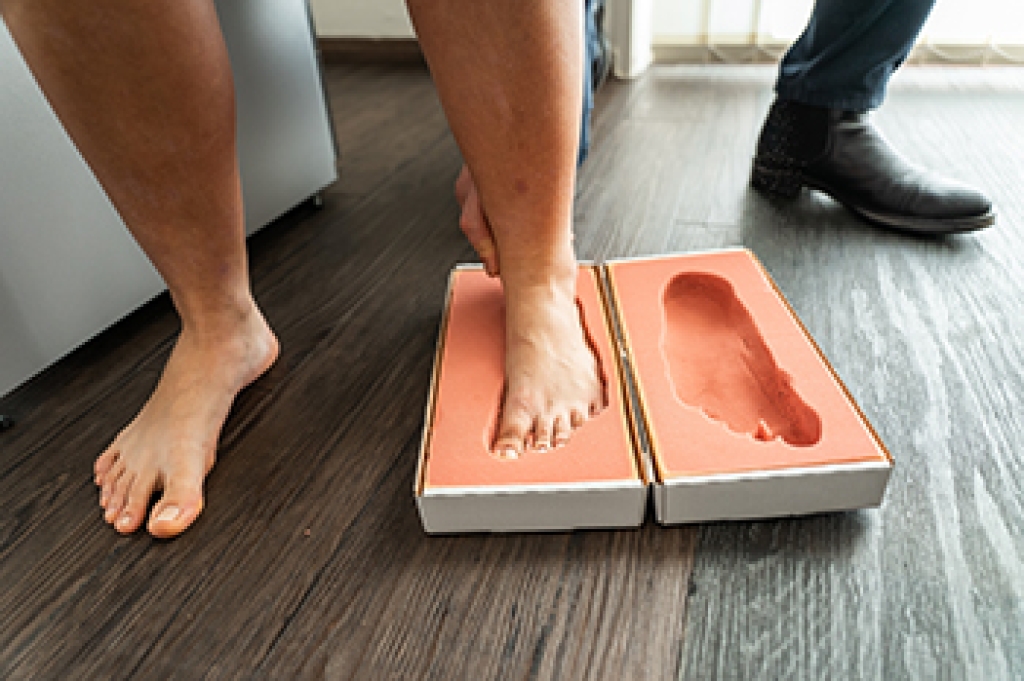
Read more about Falls Prevention

Understanding Tarsal Tunnel Syndrome and Foot Nerve Pain

Tarsal tunnel syndrome is a nerve condition that develops when the tibial nerve becomes compressed. This happens as it passes through a narrow space on the inside of the ankle called the tarsal tunnel. The pressure can interfere with normal nerve function and lead to ongoing foot discomfort. The condition may be associated with injuries, swelling, or changes in the structures surrounding the nerve. Some people develop symptoms gradually. Others notice discomfort after an ankle injury or increased stress on the foot. Because several foot and ankle conditions can produce similar symptoms, an accurate diagnosis is essential. Early evaluation by a podiatrist can help identify the cause of nerve compression and support timely treatment before symptoms become more severe.


Symptoms of tarsal tunnel syndrome vary, depending on the amount of pressure placed on the nerve. Many people experience burning pain, tingling, or numbness along the inside of the ankle or the bottom of the foot. Others notice sharp, shooting pain that may spread into the toes or heel. Symptoms often become more noticeable after prolonged standing or walking and may gradually interfere with daily activities. As the condition progresses, some individuals also develop weakness in the affected foot. Persistent nerve irritation should not be ignored because ongoing compression may affect normal sensation and foot function. A thorough examination is important to determine whether tarsal tunnel syndrome or another condition is responsible for the symptoms.


A podiatrist specializes in diagnosing and treating conditions that affect the feet, ankles, and surrounding nerves. During an examination, the podiatrist evaluates your symptoms, foot structure, and walking mechanics while looking for signs of nerve compression. Additional testing may be recommended to confirm the diagnosis and rule out other causes of foot pain. Treatment focuses on relieving pressure on the nerve, improving foot function, and reducing discomfort. If you are experiencing burning foot pain, tingling, or numbness that may be related to tarsal tunnel syndrome, it is suggested that you consult a podiatrist for an evaluation and appropriate treatment options.

Tarsal tunnel syndrome can be very uncomfortable to live with. If you are experiencing tarsal tunnel syndrome, contact Pedram Aslmand, DPM of Advanced Foot and Ankle Center. Our podiatrist can provide the care you need to keep you pain-free and on your feet.

Tarsal Tunnel Syndrome

Tarsal tunnel syndrome, which can also be called tibial nerve dysfunction, is an uncommon condition of misfiring peripheral nerves in the foot. The tibial nerve is the peripheral nerve in the leg responsible for sensation and movement of the foot and calf muscles. In tarsal tunnel syndrome, the tibial nerve is damaged, causing problems with movement and feeling in the foot of the affected leg.

Common Cause of Tarsal Tunnel Syndrome

  • Involves pressure or an injury, direct pressure on the tibial nerve for an extended period of time, sometimes caused by other body structures close by or near the knee.
  • Diseases that damage nerves, including diabetes, may cause tarsal tunnel syndrome.
  • At times, tarsal tunnel syndrome can appear without an obvious cause in some cases.

The Effects of Tarsal Tunnel Syndrome

  • Different sensations, an afflicted person may experience pain, tingling, burning or other unusual sensations in the foot of the affected leg.
  • The foot muscles, toes and ankle become weaker, and curling your toes or flexing your foot can become difficult.
  • If condition worsens, infections and ulcers may develop on the foot that is experiencing the syndrome.

A physical exam of the leg can help identify the presence of tarsal tunnel syndrome. Medical tests, such as a nerve biopsy, are also used to diagnose the condition. Patients may receive physical therapy and prescriptive medication. In extreme cases, some may require surgery.

If you have any questions please contact our offices located in Long Beach, CA . We offer the newest diagnostic and treatment technologies for all your foot and ankle needs.

Read more about Tarsal Tunnel Syndrome

What to Know About Plantar Fibromatosis and Arch Nodules

Plantar fibromatosis, also known as Ledderhose disease, is a condition that affects the connective tissue on the bottom of the foot. It leads to the formation of firm nodules within the plantar fascia, which can interfere with normal foot function. While these growths are benign, they can cause discomfort and affect mobility if they become large or irritated. Understanding the nature of this condition helps guide proper care and management.

Common symptoms include the presence of one or more nodules in the arch of the foot. These growths may feel firm to the touch and can cause pain when pressure is applied during walking or standing. Some individuals experience a sensation of tightness or discomfort that worsens with activity. As the condition progresses, the nodules may increase in size, making it more difficult to wear certain types of shoes comfortably.


The causes of plantar fibromatosis are not fully understood, but repetitive stress and strain on the plantar fascia are believed to play a role. Genetic factors may also increase the likelihood of developing this condition. Risk factors include age, foot structure abnormalities, and activities that place continuous pressure on the arch. The buildup of fibrous tissue leads to the formation of nodules that can disrupt normal movement.


Managing plantar fibroma involves addressing symptoms and reducing stress on the foot. Early evaluation allows for appropriate care and can help prevent further progression. Supportive measures and professional guidance are important for maintaining comfort and mobility. If you have lumps on the sole of your foot, it is suggested that you visit a podiatrist for an accurate diagnosis and effective management tips. 

A plantar fibroma may disrupt your daily activities. If you have any concerns, contact Pedram Aslmand, DPM of Advanced Foot and Ankle Center. Our podiatrist can provide the care you need to keep you pain-free and on your feet.

Plantar Fibroma

A plantar fibroma is a fibrous knot in the arch of the foot. It is embedded in the plantar fascia which is a band of tissue that extends from the heel to the toes along the bottom of the foot. There can be multiple plantar fibromas in the feet at the same time. There are no known causes for this condition. If you have a plantar fibroma, there will be a bump in the arch of your foot that cannot be missed. Any associated pain is most often due to a shoe rubbing against the nodule. Non-surgical options, such as steroid injections, physical therapy, and orthotics should be tried first. Surgery is a last resort and is the only thing that will remove a plantar fibroma entirely. Consult with a podiatrist for a proper diagnosis and to determine the treatment regimen that is right for you.

What Causes a Plantar Fibroma?

While there are no specific causes identified, a plantar fibroma can possibly come from genetic predisposition or the formation of scar tissue that forms from healing the tears in the plantar fascia.

What Are the Symptoms of a Plantar Fibroma?

There will be a noticeable lump in the arch of the foot that may or may not cause pain. If pain is felt, it is typically because a shoe is rubbing up against the lump or when walking or standing barefoot.

Treatment and Prevention

A plantar fibroma will not disappear without treatment, but it can get smaller and be a non-issue. If pain persists, a podiatrist examines the foot and when the arch of the foot is pressed, pain can be felt down to the toes. An MRI or biopsy might be performed to help diagnose or evaluate the plantar fibroma. The following non-surgical options are generally enough to reduce the size and pain of these nodules:

  • Steroid injections
  • Orthotics
  • Physical therapy to help apply anti-inflammatory creams on the bump 

Surgery is considered if the mass increases in size and the patient continues to feel pain after non-surgical methods are tried.

If you have any questions, please feel free to contact our offices located in Long Beach, CA . We offer the newest diagnostic and treatment technologies for all your foot care needs.
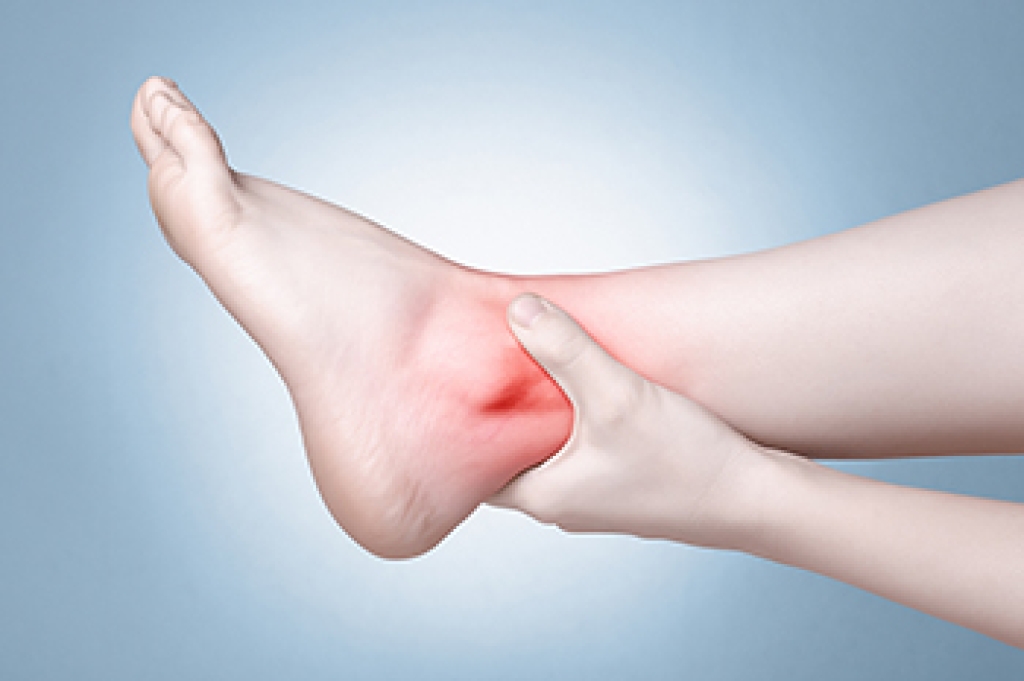
Read more about Plantar Fibroma

Reminder: When Was the Last Time...?

Custom orthotics, or shoe inserts, should be periodically replaced. Orthotics must fit properly to give you the best results. Protect your feet and ankles!

Connect With Us

Advanced Podiatric Procedures & Services in the Los Angeles County, CA: Long Beach, Signal Hill, Lakewood, Paramount, Carson, Compton, Cerritos, Bellflower, Downey, Norwalk, Huntington Park, Orange County, CA: Seal Beach, Los Alamitos, Cypress, Buena Park, Garden Grove, Fountain Valley areas