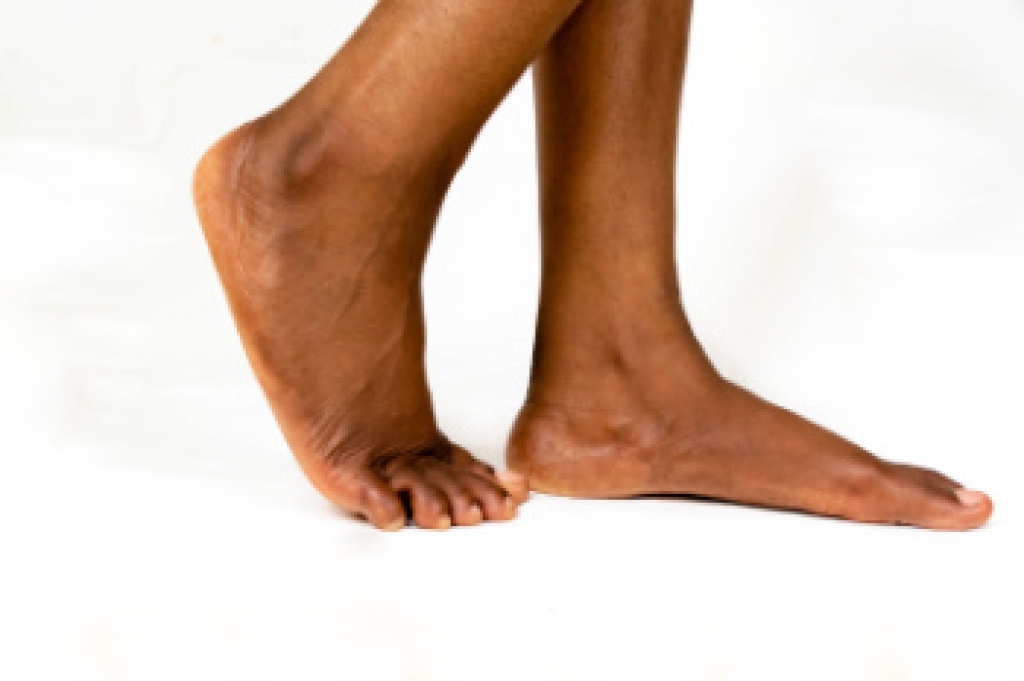
How Foot Joints Work Together

The foot contains many joints that work together to create balance, movement, and shock absorption with every step. Some foot joints help the foot bend smoothly during walking, while others provide stability when standing or pushing forward. The joints in the middle of the foot help maintain arch support and adjust to uneven surfaces. Toe joints assist with balance and the final push that moves the body ahead. The ankle works closely with these structures to control motion and help distribute pressure across the foot. When one joint becomes stiff, inflamed, injured, or misaligned, other areas may work harder to compensate, which can lead to pain or changes in walking patterns. A podiatrist can evaluate how the foot moves as a connected system and identify areas contributing to discomfort or instability. If walking becomes painful or unsteady, it is suggested that you visit a podiatrist for an evaluation.

If you have any concerns about your feet, contact Pedram Aslmand, DPM from Advanced Foot and Ankle Center. Our podiatrist can provide the care you need to keep you pain-free and on your feet.

Biomechanics in Podiatry

Podiatric biomechanics is a particular sector of specialty podiatry with licensed practitioners who are trained to diagnose and treat conditions affecting the foot, ankle and lower leg. Biomechanics deals with the forces that act against the body, causing an interference with the biological structures. It focuses on the movement of the ankle, the foot and the forces that interact with them.

A History of Biomechanics

  • Biomechanics dates back to the BC era in Egypt where evidence of professional foot care has been recorded.
  • In 1974, biomechanics gained a higher profile from the studies of Merton Root, who claimed that by changing or controlling the forces between the ankle and the foot, corrections or conditions could be implemented to gain strength and coordination in the area.

Modern technological improvements are based on past theories and therapeutic processes that provide a better understanding of podiatric concepts for biomechanics. Computers can provide accurate information about the forces and patterns of the feet and lower legs.

Understanding biomechanics of the feet can help improve and eliminate pain, stopping further stress to the foot.

If you have any questions please feel free to contact our offices located in Long Beach, CA . We offer the newest diagnostic and treatment technologies for all your foot and ankle needs.

Read more about The Importance of Biomechanics in Podiatry

Do Your Child's Feet Hurt?

Have your child's feet been examined lately? Healthy feet are happy feet. If your child is complaining of foot pain, it may be a sign of underlying problems.

Recognizing Athlete’s Foot Early

Athlete’s foot is a fungal infection that affects the skin on the feet, most often between the toes. It usually begins with itching, redness, and a burning feeling that can worsen after wearing shoes for long periods of time. The skin may appear dry, cracked, or flaky, and in some cases small blisters can form. This condition develops when fungus grows in warm, damp environments, such as sweaty socks or shared surfaces like locker rooms. Simple habits like using clean towels and changing socks often can help reduce risk, but infections can still occur. Without proper care, symptoms may spread or lead to secondary skin problems. A podiatrist can identify the infection, determine its severity, and provide targeted treatments that clear the fungus and protect the skin. If you have symptoms of athlete’s foot, it is suggested that you consult a podiatrist who can effectively treat this condition, which may include prescribed medication.

Athlete’s foot is an inconvenient condition that can be easily reduced with the proper treatment. If you have any concerns about your feet and ankles, contact Pedram Aslmand, DPM from Advanced Foot and Ankle Center.  Our podiatrist will treat your foot and ankle needs.

Athlete’s Foot: The Sole Story

Athlete's foot, also known as tinea pedis, can be an extremely contagious foot infection. It is commonly contracted in public changing areas and bathrooms, dormitory style living quarters, around locker rooms and public swimming pools, or anywhere your feet often come into contact with other people.

Solutions to Combat Athlete’s Foot

  • Hydrate your feet by using lotion
  • Exfoliate
  • Buff off nails
  • Use of anti-fungal products
  • Examine your feet and visit your doctor if any suspicious blisters or cuts develop

Athlete’s foot can cause many irritating symptoms such as dry and flaking skin, itching, and redness. Some more severe symptoms can include bleeding and cracked skin, intense itching and burning, and even pain when walking. In the worst cases, Athlete’s foot can cause blistering as well. Speak to your podiatrist for a better understanding of the different causes of Athlete’s foot, as well as help in determining which treatment options are best for you.

If you have any questions please feel free to contact our offices located in Long Beach, CA . We offer the newest diagnostic and treatment technologies for all your foot and ankle needs.

Read more about How to Deal with Athlete's Foot

Common Causes of Foot Pain

Foot pain can develop from injuries, joint problems, or strain placed on the feet. Common causes include plantar fasciitis, bunions, and stress fractures. Plantar fasciitis occurs when the thick band of tissue on the bottom of the foot becomes irritated. This causes heel pain that is often worse with the first steps in the morning. Bunions form when the joint at the base of the big toe shifts out of position and leads to swelling and discomfort. Stress fractures are small cracks in the bone that can happen from repeated impact activities, like running. Other causes of foot pain include nerve irritation, tendon inflammation, and arthritis. Symptoms include swelling, stiffness, burning sensations, or pain while walking. A podiatrist can examine the foot and perform imaging tests to confirm the cause. If you have foot pain, it is suggested that  you schedule an appointment with a podiatrist for an accurate diagnosis and appropriate treatment.

Foot Pain

Foot pain can be extremely painful and debilitating. If you have a foot pain, consult with Pedram Aslmand, DPM from Advanced Foot and Ankle Center. Our podiatrist will assess your condition and provide you with quality foot and ankle treatment.

Causes

Foot pain is a very broad condition that could be caused by one or more ailments. The most common include:

  • Bunions
  • Hammertoes
  • Plantar Fasciitis
  • Bone Spurs
  • Corns
  • Tarsal Tunnel Syndrome
  • Ingrown Toenails
  • Arthritis (such as Gout, Rheumatoid, and Osteoarthritis)
  • Flat Feet
  • Injury (from stress fractures, broken toe, foot, ankle, Achilles tendon ruptures, and sprains)
  • And more

Diagnosis

To figure out the cause of foot pain, podiatrists utilize several different methods. This can range from simple visual inspections and sensation tests to X-rays and MRI scans. Prior medical history, family medical history, and any recent physical traumatic events will all be taken into consideration for a proper diagnosis.

Treatment

Treatment depends upon the cause of the foot pain. Whether it is resting, staying off the foot, or having surgery; podiatrists have a number of treatment options available for foot pain.

If you have any questions, please feel free to contact our offices located in Long Beach, CA . We offer the newest diagnostic and treatment technologies for all your foot care needs.


Read more about Foot Pain

When Toenail Fungus Keeps Coming Back

A fungal toenail infection can be frustrating when it keeps coming back. This infection occurs when fungi grow under or within the nail, leading to thick, discolored, and brittle nails. Recurrence is common because the infection can linger in the nail or surrounding skin even after treatment appears successful. It may take up to a year and a half for a new, healthy nail to fully grow, so early improvement does not always mean the fungus is gone. Risk factors for recurring toenail fungus include poor circulation, diabetes, and repeated exposure to warm, moist environments. A podiatrist can confirm the diagnosis with an exam and testing to create a treatment plan that targets the infection at its source. Care may include prescription medications, nail care, and monitoring nail growth. If you have a stubborn fungal toenail infection, it is suggested that you schedule an appointment with a podiatrist for a diagnosis and appropriate treatment plan.

For more information about treatment, contact Pedram Aslmand, DPM of Advanced Foot and Ankle Center. Our podiatrist can provide the care you need to keep you pain-free and on your feet.

Toenail Fungus Treatment

Toenail fungus is a condition that affects many people and can be especially hard to get rid of. Fortunately, there are several methods to go about treating and avoiding it.

Antifungals & Deterrence

Oral antifungal medicine has been shown to be effective in many cases. It is important to consult with a podiatrist to determine the proper regiment for you, or potentially explore other options.

Applying foot powder on the feet and shoes helps keep the feet free of moisture and sweat.

Sandals or open toed shoes – Wearing these will allow air movement and help keep feet dry. They also expose your feet to light, which fungus cannot tolerate. Socks with moisture wicking material also help as well.

If you have any questions please contact our offices located in Long Beach, CA . We offer the newest diagnostic and treatment technologies for all your foot and ankle needs.

Read more about Treating Toenail Fungus

Connect With Us

Advanced Podiatric Procedures & Services in the Los Angeles County, CA: Long Beach, Signal Hill, Lakewood, Paramount, Carson, Compton, Cerritos, Bellflower, Downey, Norwalk, Huntington Park, Orange County, CA: Seal Beach, Los Alamitos, Cypress, Buena Park, Garden Grove, Fountain Valley areas