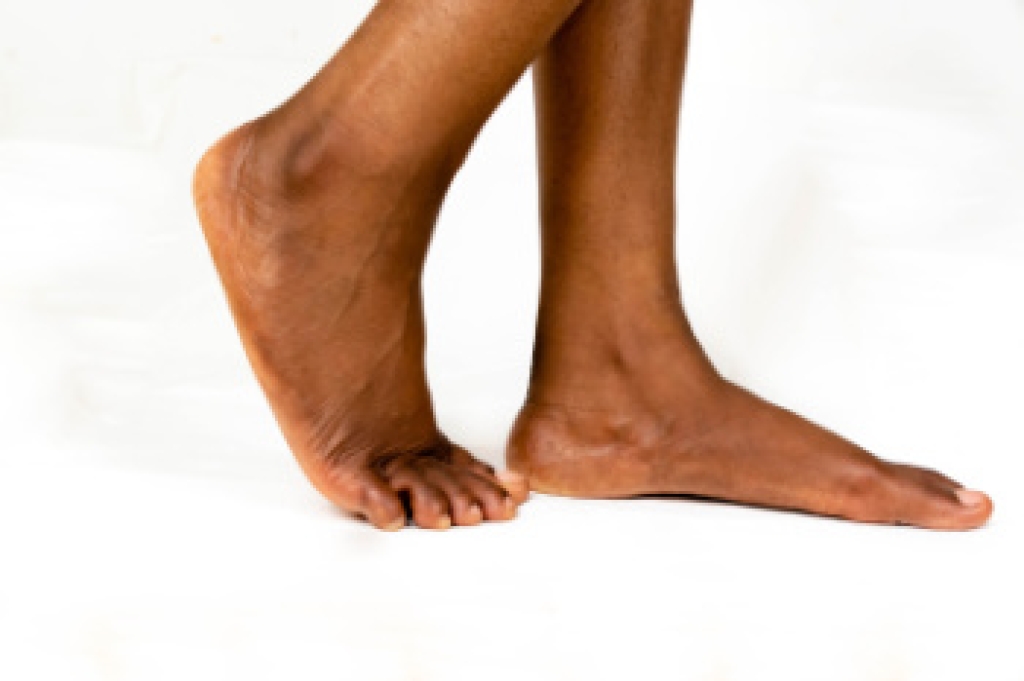
When Fallen Arches Cause Pain and Walking Problems

Flat feet occur when the arch along the inside of the foot is lower than usual or rests flat against the ground. Some people have flat feet without pain or difficulty, while others develop symptoms that affect normal daily movement. Pain or tiredness can occur in the feet, ankles, or legs, especially after physical activity. Stiffness and swelling can also develop in the feet or ankles. Another sign is uneven shoe wear, especially near the inside of the heel. Flat feet can affect one foot or both feet and can sometimes change the way a person walks.

Several factors can contribute to flat feet. In children, low arches are often part of normal development, and many children develop arches as they grow. Flat feet can also run in families. Tight muscles or tendons can affect the arch, and excess body weight can place added stress on the feet. Some patients develop flat feet later in life as the arch flattens. When flat feet cause pain, stiffness, or difficulty walking, an evaluation can help determine how the condition is affecting foot function.

A podiatrist can examine the feet while a patient is standing and walking to evaluate arch shape and movement. The assessment can also consider pain and problems with running or sports. When treatment is appropriate, a podiatrist can recommend orthotics, which are special shoe inserts designed to support the feet and manage related pain. A podiatrist can also recommend shoes that provide proper support and fit the natural shape of the foot. Treatment depends on symptoms and how flat feet affect movement. If you have symptoms of flat feet, it is suggested that you schedule an appointment with a podiatrist for diagnosis and treatment.

Flatfoot is a condition many people suffer from. If you have flat feet, contact Pedram Aslmand, DPM from Advanced Foot and Ankle Center. Our podiatrist will treat your foot and ankle needs.

What Are Flat Feet?

Flatfoot is a condition in which the arch of the foot is depressed and the sole of the foot is almost completely in contact with the ground. About 20-30% of the population generally has flat feet because their arches never formed during growth.

Conditions & Problems:

Having flat feet makes it difficult to run or walk because of the stress placed on the ankles.

Alignment – The general alignment of your legs can be disrupted, because the ankles move inward which can cause major discomfort.

Knees – If you have complications with your knees, flat feet can be a contributor to arthritis in that area.  

Symptoms

  • Pain around the heel or arch area
  • Trouble standing on the tip toe
  • Swelling around the inside of the ankle
  • Flat look to one or both feet
  • Having your shoes feel uneven when worn

Treatment

If you are experiencing pain and stress on the foot you may weaken the posterior tibial tendon, which runs around the inside of the ankle. 

If you have any questions, please feel free to contact our offices located in Long Beach, CA . We offer the newest diagnostic and treatment technologies for all your foot care needs.

Read more about What is Flexible Flat Foot?

Non-Injury Causes of Foot and Ankle Pain

Foot or ankle pain can develop even when no clear injury has occurred. Repeated strain from work or exercise can irritate muscles, joints, and connective tissues. Changes related to aging can affect foot shape, joint movement, and nail health. Wearing shoes that lack proper support or do not fit can add pressure to these areas. Symptoms vary and can include aching, stiffness, or swelling. Some patients notice burning and tingling, numbness, or changes in skin colour. Pain can affect the toes, heel, or ankle, and may make standing or walking difficult.

The location and type of discomfort can offer clues about its cause. Sharp pain beneath the heel can point to plantar fasciitis, which is irritation of the strong band of tissue supporting the arch. Pain behind the heel may involve the Achilles tendon or nearby tissue. Joint redness, warmth, and sudden severe pain can occur with gout. Bunions, flat feet, and arthritis can also lead to pain without a recent injury. Skin and nail problems are another possible source. Corns, athlete’s foot, and ingrown toenails can cause tenderness or burning. Nerve problems and poor circulation may cause tingling, temperature changes, or reduced feeling.

A podiatrist can determine why the pain is occurring and create a treatment plan based on the findings. The exam includes a review of symptoms, health history, and activities. The podiatrist examines the skin, nails, and way the feet move. X-rays can help identify bone or soft-tissue problems. Treatment options include custom orthotics to improve support, padding to reduce pressure, or guidance on fitting shoes. A podiatrist can provide care for skin and nail conditions. Persistent pain should not be ignored, especially when it limits movement or appears with redness, swelling, or loss of feeling. Early diagnosis can prevent a problem from becoming difficult to treat. If you have foot or ankle pain, it is suggested that you schedule an appointment with a podiatrist for a diagnosis and appropriate treatment.

Everyday foot care is very important to prevent infection and other foot ailments. If you need your feet checked, contact Pedram Aslmand, DPM from Advanced Foot and Ankle Center. Our podiatrist can provide the care you need to keep you pain-free and on your feet.

Everyday Foot Care

Often, people take care of their bodies, face and hair more so than they do for their feet. But the feet are a very important aspect of our bodies, and one that we should pay more attention to. Without our feet, we would not be able to perform most daily tasks.

It is best to check your feet regularly to make sure there are no new bruises or cuts that you may not have noticed before. For dry feet, moisturizer can easily be a remedy and can be applied as often as necessary to the affected areas. Wearing shoes that fit well can also help you maintain good foot health, as well as making it easier to walk and do daily activities without the stress or pain of ill-fitting shoes, high heels, or even flip flops. Wearing clean socks with closed shoes is important to ensure that sweat and bacteria do not accumulate within the shoe. Clean socks help to prevent Athlete’s foot, fungi problems, bad odors, and can absorb sweat.

If you have any questions, please feel free to contact our offices located in Long Beach, CA . We offer the newest diagnostic and treatment technologies for all your foot care needs.
Read more about Everyday Foot Care

Orthotics and Arch Support for Healthier Feet

Orthotics are shoe inserts designed to support the feet and improve how pressure moves through them. They may be prescribed or purchased over the counter, depending on your needs. Orthotics can provide arch support, cushioning, and improved foot alignment. They are often used when foot structure or movement contributes to discomfort. This approach can make walking more comfortable while reducing unnecessary stress on sensitive areas.

Common symptoms that may benefit from orthotic support include arch pain, heel pain, and tired feet. Some people notice discomfort while walking, standing, or exercising. Risk factors include flat feet, high arches, and unsupportive footwear. Other causes of foot strain may include abnormal gait mechanics, previous injuries, or prolonged standing. A podiatrist can determine whether orthotics are appropriate for your specific condition.


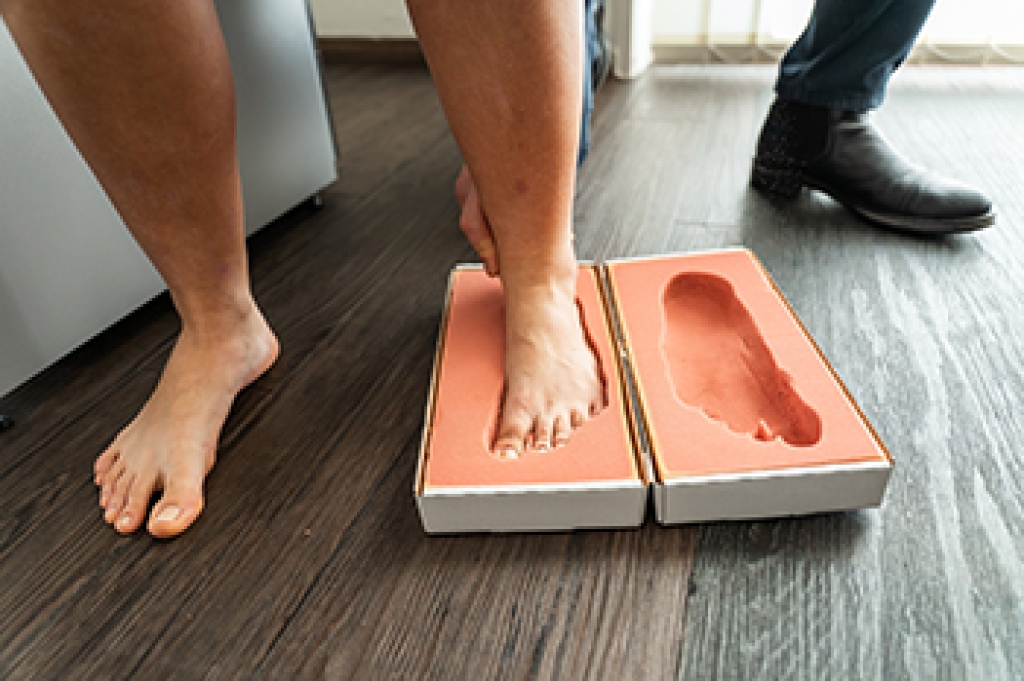
Types of orthotics include custom orthotics and prefabricated inserts. Custom orthotics are designed from measurements or scans of your feet and can address biomechanical needs specific to you. Prefabricated options provide general support and may work well for certain mild problems. A podiatrist begins by reviewing your symptoms and medical history. The feet are examined for alignment, pressure points, and range of motion. Your walking pattern may also be evaluated before an orthotic recommendation is made.


Treatment with orthotics usually begins with selecting the correct device for your foot structure and daily activities. Your podiatrist may recommend gradual wear so your feet can adjust comfortably. Follow-up visits can help assess comfort levels and determine whether adjustments are needed. Wearing proper footwear is also important because shoes should provide enough room and stability for the insert. Orthotics do not simply add cushioning, they can help manage pressure and support healthier movement. If you have persistent arch discomfort or need better foot support, it is suggested that you consult a podiatrist who can determine what type of orthotics are right for you.

If you are having discomfort in your feet and would like to try orthotics, contact Pedram Aslmand, DPM from Advanced Foot and Ankle Center. Our podiatrist can provide the care you need to keep you pain-free and on your feet.

What Are Orthotics?

Orthotics are inserts you can place into your shoes to help with a variety of foot problems such as flat feet or foot pain. Orthotics provide relief and comfort for minor foot and heel pain but can’t correct serious biomechanical problems in your feet.

Over-the-Counter Inserts

Orthotics come in a wide variety of over-the-counter inserts that are used to treat foot pain, heel pain, and minor problems. For example, arch supports can be inserted into your shoes to help correct overarched or flat feet, while gel insoles are often used because they provide comfort and relief from foot and heel pain by alleviating pressure.

Prescription Orthotics

If over-the-counter inserts don’t work for you or if you have a more severe foot concern, it is possible to have your podiatrist prescribe custom orthotics. These high-quality inserts are designed to treat problems such as abnormal motion, plantar fasciitis, and severe forms of heel pain. They can even be used to help patients suffering from diabetes by treating foot ulcers and painful calluses and are usually molded to your feet individually, which allows them to provide full support and comfort.

If you are experiencing minor to severe foot or heel pain, it’s recommended to speak with your podiatrist about the possibilities of using orthotics. A podiatrist can determine which type of orthotic is right for you and allow you to take the first steps towards being pain-free.

If you have any questions, please feel free to contact our offices located in Long Beach, CA . We offer the newest diagnostic and treatment technologies for all your foot care needs.

Read more about Ankle Foot Orthotics for Athletes

Podiatric Treatment for Ankle Pain

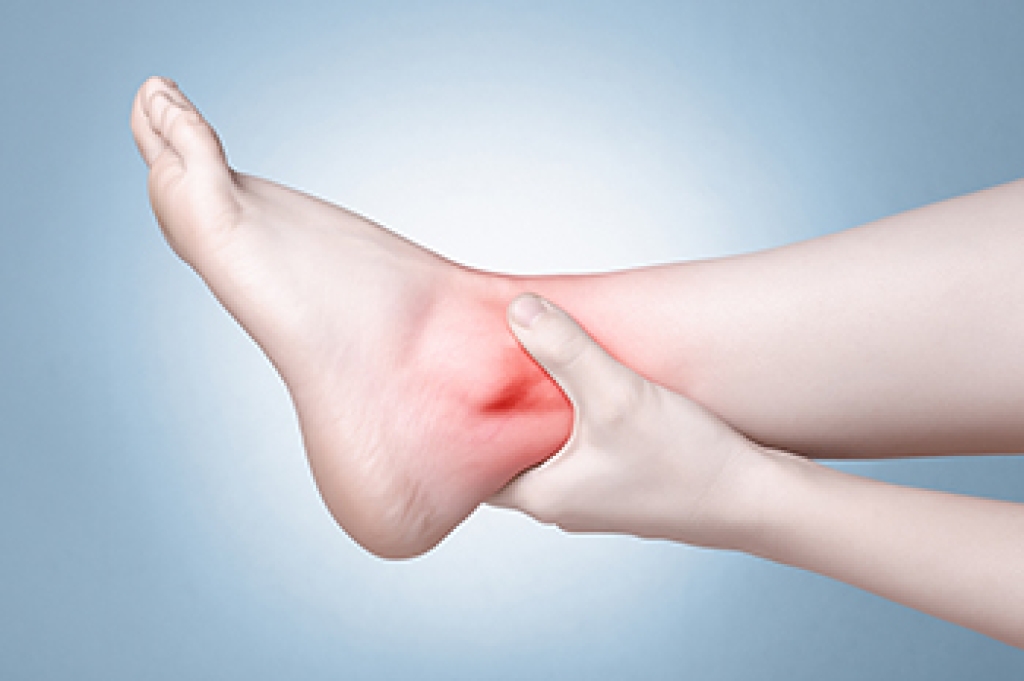
Ankle pain can affect one or both ankles, and can make standing, walking, or physical activity uncomfortable. A sprain is one frequent cause. This injury happens when one or more ligaments, the strong bands that connect bones, are stretched or torn. An ankle that twists inward can damage ligaments and lead to swelling or bruising. Pain can also come from irritated tendons, which connect muscles to bones. Arthritis, joint infection, and nerve problems are other possible causes.

A podiatrist can evaluate ankle pain and determine whether the problem involves bones, joints, or surrounding tissues. The examination can include checking swelling, tenderness, and range of motion. A podiatrist can also evaluate the patient's ability to place weight on the ankle during the physical examination. Imaging tests can be used when a fracture or another injury is suspected. Severe pain after an injury deserves prompt attention, especially when the ankle looks deformed or cannot support weight. Significant swelling or an inability to move the ankle also requires medical evaluation. Redness, warmth, and fever can point to an infection and should be evaluated promptly.

Treatment for ankle pain depends on its cause and the amount of damage present. A podiatrist can provide treatment to protect the ankle and support proper healing. Care can include a brace, walking boot, or other form of support. The podiatrist can also recommend supervised exercises to improve strength, balance, and ankle movement when appropriate for the condition. Some injuries require additional medical treatment or surgery. A podiatrist can monitor recovery and determine when returning to normal activities is appropriate. Persistent ankle pain should not be ignored because different conditions can cause similar symptoms. An accurate diagnosis allows treatment to address the source of the problem rather than the discomfort alone. If you have ankle pain, it is suggested that you schedule an appointment with a podiatrist for a diagnosis and  appropriate treatment.

Ankle pain can be caused by a number of problems and may be potentially serious. If you have ankle pain, consult with Pedram Aslmand, DPM from Advanced Foot and Ankle Center. Our podiatrist will assess your condition and provide you with quality foot and ankle treatment.

Ankle pain is any condition that causes pain in the ankle. Due to the fact that the ankle consists of tendons, muscles, bones, and ligaments, ankle pain can come from a number of different conditions.

Causes

The most common causes of ankle pain include:

  • Types of arthritis (rheumatoid, osteoarthritis, and gout)
  • Ankle sprains
  • Broken ankles
  • Achilles tendonitis
  • Achilles tendon rupture
  • Stress fractures
  • Bursitis
  • Tarsal tunnel syndrome
  • Plantar fasciitis

Symptoms

Symptoms of ankle injury vary based upon the condition. Pain may include general pain and discomfort, swelling, aching, redness, bruising, burning or stabbing sensations, and/or loss of sensation.

Diagnosis

Due to the wide variety of potential causes of ankle pain, podiatrists will utilize a number of different methods to properly diagnose ankle pain. This can include asking for personal and family medical histories and of any recent injuries. Further diagnosis may include sensation tests, a physical examination, and potentially x-rays or other imaging tests.

Treatment

Just as the range of causes varies widely, so do treatments. Some more common treatments are rest, ice packs, keeping pressure off the foot, orthotics and braces, medication for inflammation and pain, and surgery.

If you have any questions please feel free to contact our offices located in Long Beach, CA . We offer the newest diagnostic tools and technology to treat your foot and ankle needs.

Read more about Ankle Pain

Wounds That Don't Heal Need to Be Checked

Your feet are covered most of the day. If you're diabetic, periodic screening is important for good health. Numbness is often a sign of diabetic foot and can mask a sore or wound.

Connect With Us

Advanced Podiatric Procedures & Services in the Los Angeles County, CA: Long Beach, Signal Hill, Lakewood, Paramount, Carson, Compton, Cerritos, Bellflower, Downey, Norwalk, Huntington Park, Orange County, CA: Seal Beach, Los Alamitos, Cypress, Buena Park, Garden Grove, Fountain Valley areas