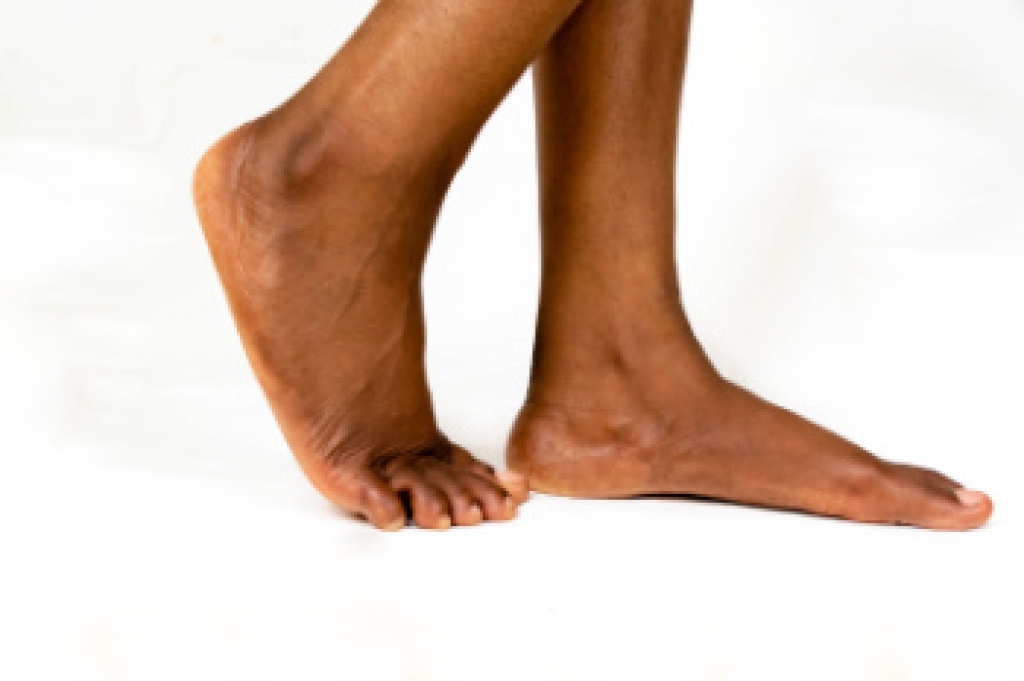
Healing an Achilles Tendon Injury and Restoring Strength

An Achilles tendon injury involves damage to the strong band of tissue that connects the calf muscles to the heel bone. It can occur from sudden increases in activity, overuse, or forceful movements like jumping or running. Symptoms include pain, swelling, stiffness, and difficulty walking or pushing off the foot. Risk factors include tight muscles, improper footwear, and lack of conditioning. Rest is essential to allow the tendon to recover and prevent further strain. Additional care includes stretching, strengthening, and a gradual return to activity. A podiatrist can help by diagnosing the injury, guiding treatment, and recommending supportive therapies to promote healing. If you have signs of an Achilles tendon injury, it is suggested that you promptly consult a podiatrist who can offer you appropriate treatment solutions to restore mobility.

Achilles tendon injuries need immediate attention to avoid future complications. If you have any concerns, contact Pedram Aslmand, DPM of Advanced Foot and Ankle Center. Our podiatrist can provide the care you need to keep you pain-free and on your feet.

What Is the Achilles Tendon?

The Achilles tendon is a tendon that connects the lower leg muscles and calf to the heel of the foot. It is the strongest tendon in the human body and is essential for making movement possible. Because this tendon is such an integral part of the body, any injuries to it can create immense difficulties and should immediately be presented to a doctor.

What Are the Symptoms of an Achilles Tendon Injury?

There are various types of injuries that can affect the Achilles tendon. The two most common injuries are Achilles tendinitis and ruptures of the tendon.

Achilles Tendinitis Symptoms

  • Inflammation
  • Dull to severe pain
  • Increased blood flow to the tendon
  • Thickening of the tendon

Rupture Symptoms

  • Extreme pain and swelling in the foot
  • Total immobility

Treatment and Prevention

Achilles tendon injuries are diagnosed by a thorough physical evaluation, which can include an MRI. Treatment involves rest, physical therapy, and in some cases, surgery. However, various preventative measures can be taken to avoid these injuries, such as:

  • Thorough stretching of the tendon before and after exercise
  • Strengthening exercises like calf raises, squats, leg curls, leg extensions, leg raises, lunges, and leg presses

If you have any questions please feel free to contact our offices located in Long Beach, CA . We offer the newest diagnostic tools and technology to treat your foot and ankle needs.

Read more about What are Achilles Tendon Injuries

The Impact of Lifestyle Choices on Rheumatoid Arthritis

Rheumatoid arthritis is a chronic autoimmune condition in which the immune system attacks healthy joints, leading to inflammation, pain, and stiffness that can affect mobility and daily life. While the exact cause is not always clear, lifestyle factors can influence how the condition develops and progresses. Smoking, obesity, and poor physical activity levels may contribute to more severe symptoms and negative outcomes by increasing inflammation and placing additional stress on the joints. These factors can also impact foot health, making walking and standing more difficult. A podiatrist can help by evaluating foot structure, relieving pressure, and providing supportive care to improve comfort and function. If you have joint pain or stiffness, it is suggested that you seek professional podiatric care for appropriate relief solutions and symptom management tips.

Because RA affects more than just your joints, including the joints in your feet and ankles, it is important to seek early diagnosis from your podiatrist if you feel like the pain in your feet might be caused by RA. For more information, contact Pedram Aslmand, DPM of Advanced Foot and Ankle Center. Our podiatrist will assist you with all of your podiatric concerns.

What Is Rheumatoid Arthritis?

Rheumatoid Arthritis (RA) is an autoimmune disorder in which the body’s own immune system attacks the membranes surrounding the joints. Inflammation of the lining and eventually the destruction of the joint’s cartilage and bone occur, causing severe pain and immobility.

Rheumatoid Arthritis of the Feet

Although RA usually attacks multiple bones and joints throughout the entire body, almost 90 percent of cases result in pain in the foot or ankle area.

Symptoms

  • Swelling and pain in the feet
  • Stiffness in the feet
  • Pain on the ball or sole of feet
  • Joint shift and deformation

Diagnosis

Quick diagnosis of RA in the feet is important so that the podiatrist can treat the area effectively. Your doctor will ask you about your medical history, occupation, and lifestyle to determine the origin of the condition. Rheumatoid Factor tests help to determine if someone is affected by the disease.

If you have any questions, please feel free to contact our offices located in Long Beach, CA . We offer the newest diagnostic and treatment technologies for all your foot care needs.


Read more about Rheumatoid Arthritis in the Feet

Sudden Toe Pain Can Signal Something More

Gout is a form of arthritis that often affects the big toe, causing sudden and intense pain that may begin overnight. The joint can become red, swollen, and warm, making even light pressure from a sheet feel uncomfortable. It may look visibly inflamed and feel stiff, limiting movement during a flare. Gout develops when uric acid builds up in the bloodstream and forms crystals in the joint, which can be triggered by diet, dehydration, certain medications, or underlying health conditions. A podiatrist can recognize gout through a physical exam and may confirm it with imaging or laboratory testing. Treatment focuses on reducing inflammation, relieving pain, and preventing future attacks through medication and lifestyle guidance. Early care can help protect the joint from long-term damage. If you suspect you may have gout, it is suggested that you make an appointment with a podiatrist.

Gout is a foot condition that requires certain treatment and care. If you are seeking treatment, contact Pedram Aslmand, DPM from Advanced Foot and Ankle Center. Our podiatrist will treat your foot and ankle needs.

What Is Gout?

Gout is a type of arthritis caused by a buildup of uric acid in the bloodstream. It often develops in the foot, especially the big toe area, although it can manifest in other parts of the body as well. Gout can make walking and standing very painful and is especially common in diabetics and the obese.

People typically get gout because of a poor diet. Genetic predisposition is also a factor. The children of parents who have had gout frequently have a chance of developing it themselves.

Gout can easily be identified by redness and inflammation of the big toe and the surrounding areas of the foot. Other symptoms include extreme fatigue, joint pain, and running high fevers. Sometimes corticosteroid drugs can be prescribed to treat gout, but the best way to combat this disease is to get more exercise and eat a better diet.

If you have any questions, please feel free to contact our offices located in Long Beach, CA . We offer the newest diagnostic and treatment technologies for all your foot care needs.

Read more about Everything You Need to Know About Gout

Do You Suffer From Painful Feet?

Painful deformities, such as hammertoes, can be treated. Stop living with foot pain, and have beautiful feet again!

Symptoms of Plantar Fasciitis

Plantar fasciitis occurs when the plantar fascia underneath the foot becomes irritated or inflamed. The plantar fascia is a wide band of tissue along the bottom of the foot that connects the heel bone to the toes and supports the arch. A major sign of plantar fasciitis is sharp heel pain with the first steps in the morning or after sitting for a while. The pain may lessen with movement but often returns after standing, walking, or climbing stairs. Some people feel aching or tightness in the arch or sole, and the heel may become tender. Mild swelling or a burning feeling can also develop at the Achilles tendon. Symptoms begin gradually and worsen over time. A podiatrist can assess the foot, confirm the diagnosis, and provide treatment to reduce strain and improve function. If you have symptoms of plantar fasciitis, it is suggested that you make an appointment with a podiatrist for an exam, diagnosis, and treatment.

Plantar fasciitis is a common foot condition that is often caused by a strain injury. If you are experiencing heel pain or symptoms of plantar fasciitis, contact Pedram Aslmand, DPM from Advanced Foot and Ankle Center. Our podiatrist can provide the care you need to keep you pain-free and on your feet.

What Is Plantar Fasciitis?

Plantar fasciitis is one of the most common causes of heel pain. The plantar fascia is a ligament that connects your heel to the front of your foot. When this ligament becomes inflamed, plantar fasciitis is the result. If you have plantar fasciitis you will have a stabbing pain that usually occurs with your first steps in the morning. As the day progresses and you walk around more, this pain will start to disappear, but it will return after long periods of standing or sitting.

What Causes Plantar Fasciitis?

  • Excessive running
  • Having high arches in your feet
  • Other foot issues such as flat feet
  • Pregnancy (due to the sudden weight gain)
  • Being on your feet very often

There are some risk factors that may make you more likely to develop plantar fasciitis compared to others. The condition most commonly affects adults between the ages of 40 and 60. It also tends to affect people who are obese because the extra pounds result in extra stress being placed on the plantar fascia.

Prevention

  • Take good care of your feet – Wear shoes that have good arch support and heel cushioning.
  • Maintain a healthy weight
  • If you are a runner, alternate running with other sports that won’t cause heel pain

There are a variety of treatment options available for plantar fasciitis along with the pain that accompanies it. Additionally, physical therapy is a very important component in the treatment process. It is important that you meet with your podiatrist to determine which treatment option is best for you.

If you have any questions, please feel free to contact our offices located in Long Beach, CA . We offer the newest diagnostic and treatment technologies for all your foot care needs.

 

Read more about Plantar Fasciitis

Connect With Us

Advanced Podiatric Procedures & Services in the Los Angeles County, CA: Long Beach, Signal Hill, Lakewood, Paramount, Carson, Compton, Cerritos, Bellflower, Downey, Norwalk, Huntington Park, Orange County, CA: Seal Beach, Los Alamitos, Cypress, Buena Park, Garden Grove, Fountain Valley areas