Comparing Types of Jones Fractures

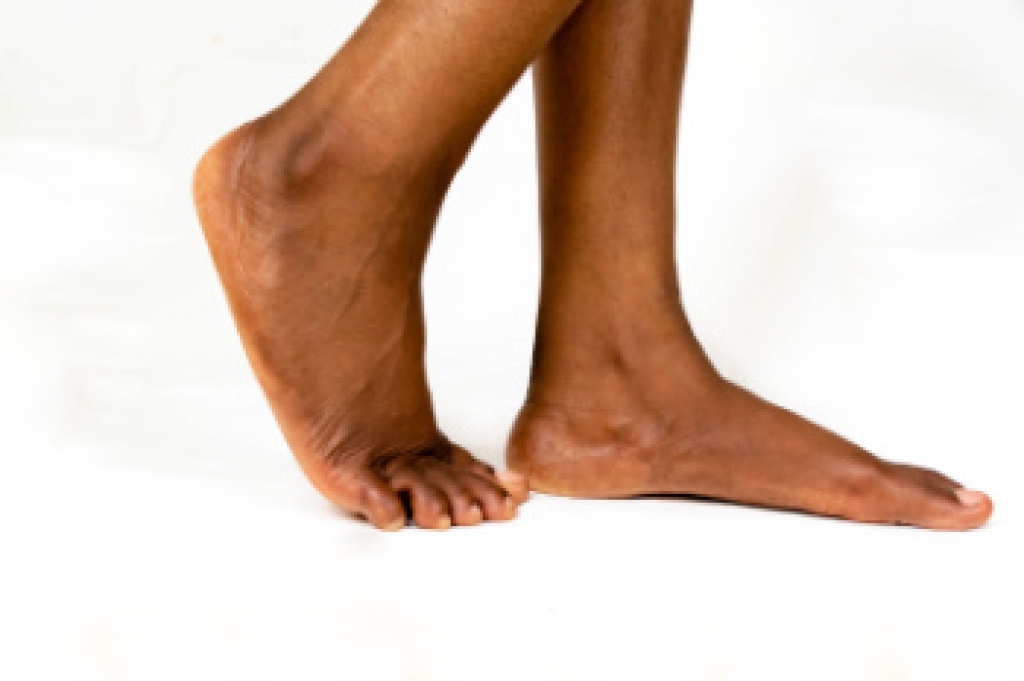
A Jones fracture and a pseudo Jones fracture both affect the long bone on the outer side of the foot near the little toe. However, these fractures happen in different areas and heal in different ways. A pseudo Jones fracture, also called an avulsion fracture, happens at the base of the bone. It often occurs when the foot twists inward and a tendon pulls off a small piece of bone. Because this area has better blood flow, it usually heals faster. A true Jones fracture happens a little farther down the bone. It is usually caused by a sudden twist, turn, fall, or repetitive overuse. That area of the foot has less blood supply, so healing takes longer and problems are more likely. Both injuries can cause pain, swelling, bruising, and trouble walking. A podiatrist can diagnose the problem with X-rays and provide the right treatment. If you have pain on the outer side of the foot, it is suggested that you schedule an appointment with a podiatrist for a diagnosis and appropriate treatment.

A broken foot requires immediate medical attention and treatment. If you need your feet checked, contact Pedram Aslmand, DPM from Advanced Foot and Ankle Center. Our podiatrist can provide the care you need to keep you pain-free and on your feet.

Broken Foot Causes, Symptoms, and Treatment

A broken foot is caused by one of the bones in the foot typically breaking when bended, crushed, or stretched beyond its natural capabilities. Usually the location of the fracture indicates how the break occurred, whether it was through an object, fall, or any other type of injury. 

Common Symptoms of Broken Feet:

  • Bruising
  • Pain
  • Redness
  • Swelling
  • Blue in color
  • Numbness
  • Cold
  • Misshapen
  • Cuts
  • Deformities

Those that suspect they have a broken foot shoot seek urgent medical attention where a medical professional could diagnose the severity.

Treatment for broken bones varies depending on the cause, severity and location. Some will require the use of splints, casts or crutches while others could even involve surgery to repair the broken bones. Personal care includes the use of ice and keeping the foot stabilized and elevated.

If you have any questions, please feel free to contact our offices located in Long Beach, CA . We offer the newest diagnostic and treatment technologies for all your foot care needs.

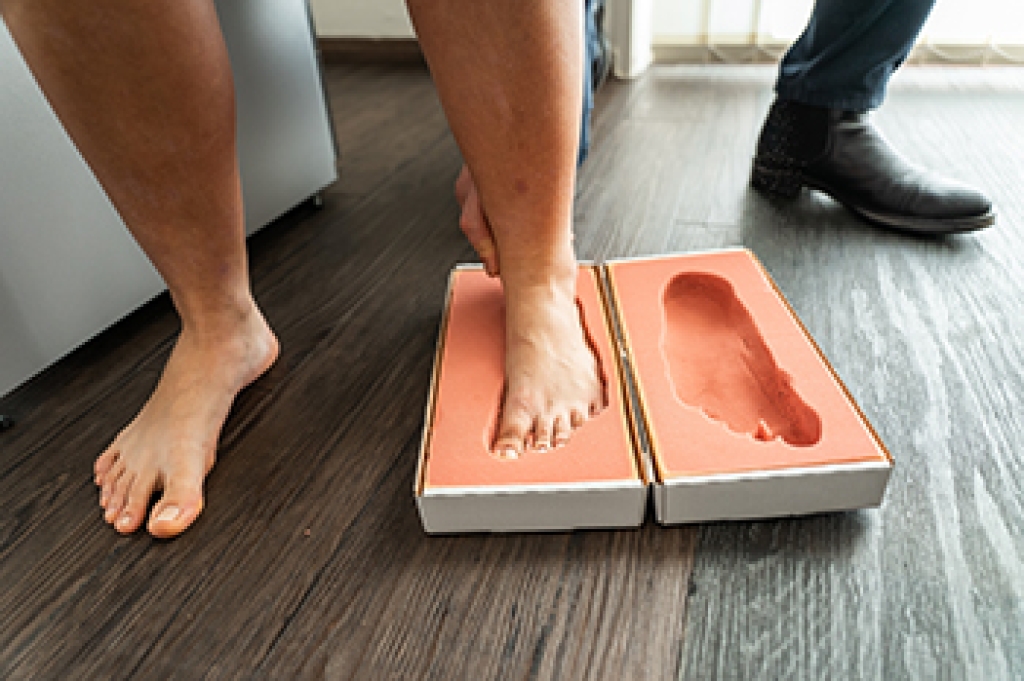
Read more about Causes, Symptoms, and Treatment for a Broken Foot

It's Time for Beautiful Feet

You don't need an excuse to have beautiful nails. Step outside without worrying about the appearance of your feet.

Cuboid Syndrome and Lateral Foot Pain

Cuboid syndrome is a condition involving the cuboid bone in the foot, where it becomes misaligned or irritated, leading to discomfort and impaired movement. There is often pain on the outer side of the foot, especially during walking or standing, and it may be weak or difficult to bear weight. Causes can include falls, sudden missteps, or repetitive strain, while flat feet may increase stress on the area. Risk factors include athletic activity, wearing improper footwear, and previous foot injuries. A podiatrist can evaluate the condition, provide manual treatment, recommend supportive devices, and guide rehabilitation. If you have pain in this area of your foot, it is suggested that you consult a podiatrist who can accurately diagnose and treat what may be going on.

Cuboid syndrome, also known as cuboid subluxation, occurs when the joints and ligaments near the cuboid bone in the foot become torn. If you have cuboid syndrome, consult with Pedram Aslmand, DPM from Advanced Foot and Ankle Center. Our podiatrist will assess your condition and provide you with quality foot and ankle treatment.

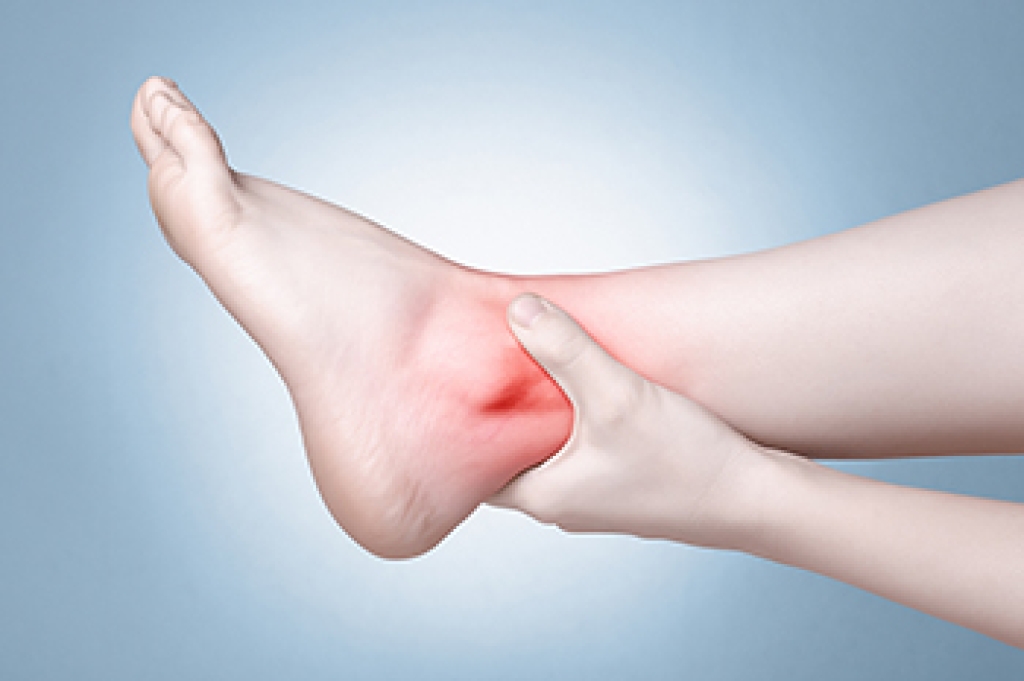
Cuboid syndrome is a common cause of lateral foot pain, which is pain on the outside of the foot. The condition may happen suddenly due to an ankle sprain, or it may develop slowly overtime from repetitive tension through the bone and surrounding structures.

Causes

The most common causes of cuboid syndrome include:

  • Injury – The most common cause of this ailment is an ankle sprain.
  • Repetitive Strain – Tension placed through the peroneus longus muscle from repetitive activities such as jumping and running may cause excessive traction on the bone causing it to sublux.
  • Altered Foot Biomechanics – Most people suffering from cuboid subluxation have flat feet.

Symptoms

A common symptom of cuboid syndrome is pain along the outside of the foot which can be felt in the ankle and toes. This pain may create walking difficulties and may cause those with the condition to walk with a limp.

Diagnosis

Diagnosis of cuboid syndrome is often difficult, and it is often misdiagnosed. X-rays, MRIs and CT scans often fail to properly show the cuboid subluxation. Although there isn’t a specific test used to diagnose cuboid syndrome, your podiatrist will usually check if pain is felt while pressing firmly on the cuboid bone of your foot.

Treatment

Just as the range of causes varies widely, so do treatments. Some more common treatments are ice therapy, rest, exercise, taping, and orthotics.

If you have any questions, please feel free to contact our offices located in Long Beach, CA . We offer the newest diagnostic and treatment technologies for all your foot care needs.
Read more about Cuboid Syndrome

Diabetic Foot Care in the Springtime

Springtime can create risks for diabetics, when it comes to foot health. Seasonal changes like warmer weather and footwear can increase the chance of skin irritation and injuries. Diabetes can affect blood flow and nerve function, which may lead to reduced feeling in the feet. This means cuts, blisters, or puncture wounds may go unnoticed and become infected before they are detected. Moist conditions from rain or damp shoes can also weaken the skin and add to the risk of infection. A podiatrist can examine the feet for signs of damage, check circulation and nerve response, and provide nail and skin care in a sterile setting. Treatment options include custom orthotics, protective footwear guidance, and wound care to prevent serious complications and limb loss. If you have foot problems as a complication of diabetes, it is suggested that you make an appointment with a podiatrist for a diagnosis and treatment.

Diabetic foot care is important in preventing foot ailments such as ulcers. If you are suffering from diabetes or have any other concerns about your feet, contact Pedram Aslmand, DPM from Advanced Foot and Ankle Center. Our podiatrist can provide the care you need to keep you pain-free and on your feet.

Diabetic Foot Care

Diabetes affects millions of people every year. The condition can damage blood vessels in many parts of the body, especially the feet. Because of this, taking care of your feet is essential if you have diabetes, and having a podiatrist help monitor your foot health is highly recommended.

The Importance of Caring for Your Feet

  • Routinely inspect your feet for bruises or sores.
  • Wear socks that fit your feet comfortably.
  • Wear comfortable shoes that provide adequate support.

Patients with diabetes should have their doctor monitor their blood levels, as blood sugar levels play such a huge role in diabetic care. Monitoring these levels on a regular basis is highly advised.

It is always best to inform your healthcare professional of any concerns you may have regarding your feet, especially for diabetic patients. Early treatment and routine foot examinations are keys to maintaining proper health, especially because severe complications can arise if proper treatment is not applied.

If you have any questions, please feel free to contact our offices located in Long Beach, CA . We offer the newest diagnostic and treatment technologies for all your foot care needs.

Read more about How to Care for Diabetic Foot

Healing an Achilles Tendon Injury and Restoring Strength

An Achilles tendon injury involves damage to the strong band of tissue that connects the calf muscles to the heel bone. It can occur from sudden increases in activity, overuse, or forceful movements like jumping or running. Symptoms include pain, swelling, stiffness, and difficulty walking or pushing off the foot. Risk factors include tight muscles, improper footwear, and lack of conditioning. Rest is essential to allow the tendon to recover and prevent further strain. Additional care includes stretching, strengthening, and a gradual return to activity. A podiatrist can help by diagnosing the injury, guiding treatment, and recommending supportive therapies to promote healing. If you have signs of an Achilles tendon injury, it is suggested that you promptly consult a podiatrist who can offer you appropriate treatment solutions to restore mobility.

Achilles tendon injuries need immediate attention to avoid future complications. If you have any concerns, contact Pedram Aslmand, DPM of Advanced Foot and Ankle Center. Our podiatrist can provide the care you need to keep you pain-free and on your feet.

What Is the Achilles Tendon?

The Achilles tendon is a tendon that connects the lower leg muscles and calf to the heel of the foot. It is the strongest tendon in the human body and is essential for making movement possible. Because this tendon is such an integral part of the body, any injuries to it can create immense difficulties and should immediately be presented to a doctor.

What Are the Symptoms of an Achilles Tendon Injury?

There are various types of injuries that can affect the Achilles tendon. The two most common injuries are Achilles tendinitis and ruptures of the tendon.

Achilles Tendinitis Symptoms

  • Inflammation
  • Dull to severe pain
  • Increased blood flow to the tendon
  • Thickening of the tendon

Rupture Symptoms

  • Extreme pain and swelling in the foot
  • Total immobility

Treatment and Prevention

Achilles tendon injuries are diagnosed by a thorough physical evaluation, which can include an MRI. Treatment involves rest, physical therapy, and in some cases, surgery. However, various preventative measures can be taken to avoid these injuries, such as:

  • Thorough stretching of the tendon before and after exercise
  • Strengthening exercises like calf raises, squats, leg curls, leg extensions, leg raises, lunges, and leg presses

If you have any questions please feel free to contact our offices located in Long Beach, CA . We offer the newest diagnostic tools and technology to treat your foot and ankle needs.

Read more about What are Achilles Tendon Injuries

Connect With Us

Advanced Podiatric Procedures & Services in the Los Angeles County, CA: Long Beach, Signal Hill, Lakewood, Paramount, Carson, Compton, Cerritos, Bellflower, Downey, Norwalk, Huntington Park, Orange County, CA: Seal Beach, Los Alamitos, Cypress, Buena Park, Garden Grove, Fountain Valley areas