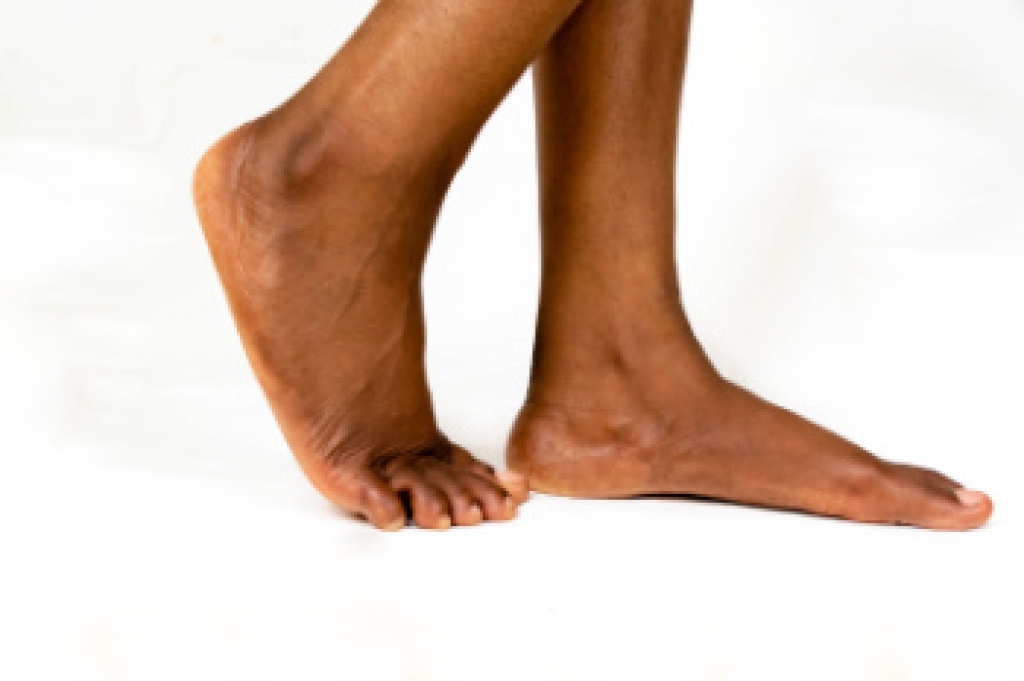
Understanding Cuboid Syndrome

Cuboid syndrome occurs when the small cuboid bone on the outer side of the mid-foot shifts slightly out of position or becomes irritated, leading to sharp or aching discomfort. It is seen most often in active individuals, including dancers, runners, and people who spend long periods of time on their feet, because repetitive motion and sudden twists can place extra stress on the outer foot. Others may develop it after an ankle sprain, as the injury can disrupt normal alignment. Symptoms include pain along the outer mid-foot, difficulty pushing off during walking, tenderness when pressing the area, and a feeling of weakness or instability. Treatment focuses on restoring alignment, reducing irritation, and supporting the foot as it heals. A podiatrist can perform targeted manipulation, provide taping or padding, and recommend footwear or inserts that improve stability. If outer foot pain continues to interfere with movement, it is suggested that you see a podiatrist who can accurately diagnose and treat cuboid syndrome.

Cuboid syndrome, also known as cuboid subluxation, occurs when the joints and ligaments near the cuboid bone in the foot become torn. If you have cuboid syndrome, consult with Pedram Aslmand, DPM from Advanced Foot and Ankle Center. Our podiatrist will assess your condition and provide you with quality foot and ankle treatment.

Cuboid syndrome is a common cause of lateral foot pain, which is pain on the outside of the foot. The condition may happen suddenly due to an ankle sprain, or it may develop slowly overtime from repetitive tension through the bone and surrounding structures.

Causes

The most common causes of cuboid syndrome include:

  • Injury – The most common cause of this ailment is an ankle sprain.
  • Repetitive Strain – Tension placed through the peroneus longus muscle from repetitive activities such as jumping and running may cause excessive traction on the bone causing it to sublux.
  • Altered Foot Biomechanics – Most people suffering from cuboid subluxation have flat feet.

Symptoms

A common symptom of cuboid syndrome is pain along the outside of the foot which can be felt in the ankle and toes. This pain may create walking difficulties and may cause those with the condition to walk with a limp.

Diagnosis

Diagnosis of cuboid syndrome is often difficult, and it is often misdiagnosed. X-rays, MRIs and CT scans often fail to properly show the cuboid subluxation. Although there isn’t a specific test used to diagnose cuboid syndrome, your podiatrist will usually check if pain is felt while pressing firmly on the cuboid bone of your foot.

Treatment

Just as the range of causes varies widely, so do treatments. Some more common treatments are ice therapy, rest, exercise, taping, and orthotics.

If you have any questions, please feel free to contact our offices located in Long Beach, CA . We offer the newest diagnostic and treatment technologies for all your foot care needs.

Read more about All About Cuboid Syndrome

How a Tailor’s Bunion Can Affect Daily Life

A tailor’s bunion, which forms on the outer side of the foot near the little toe, can interfere with comfort and mobility more than many people expect. As the area becomes irritated or swollen, wearing regular shoes may feel increasingly difficult, leading to constant friction and aching during routine activities. People often change the way they walk to avoid pressure, which can create new problems in the ankles, knees, or back. Social activities, exercise, and even short errands may feel limited when every step causes discomfort. Sleep can also be disrupted if the area remains sore at night. With proper evaluation, treatment such as footwear adjustments, padding, orthotics, or targeted care can reduce symptoms and improve function. It is suggested that you see a podiatrist if a tailor’s bunion is affecting your comfort or quality of life.

If you are suffering from bunion pain, contact Pedram Aslmand, DPM of Advanced Foot and Ankle Center. Our podiatrist can provide the care you need to keep you pain-free and on your feet.

What Is a Bunion?

Bunions are painful bony bumps that usually develop on the inside of the foot at the joint of the big toe. As the deformity increases over time, it may become painful to walk and wear shoes. Women are more likely to exacerbate existing bunions since they often wear tight, narrow shoes that shift their toes together. Bunion pain can be relieved by wearing wider shoes with enough room for the toes.

Causes

  • Genetics – some people inherit feet that are more prone to bunion development
  • Inflammatory Conditions - rheumatoid arthritis and polio may cause bunion development

Symptoms

  • Redness and inflammation
  • Pain and tenderness
  • Callus or corns on the bump
  • Restricted motion in the big toe

In order to diagnose your bunion, your podiatrist may ask about your medical history, symptoms, and general health. Your doctor might also order an x-ray to take a closer look at your feet. Nonsurgical treatment options include orthotics, padding, icing, changes in footwear, and medication. If nonsurgical treatments don’t alleviate your bunion pain, surgery may be necessary.

If you have any questions, please feel free to contact our offices located in Long Beach, CA . We offer the newest diagnostic and treatment technologies for all your foot care needs.
Read more about Bunions

Understanding How Common Foot and Ankle Pain Really Is

Foot and ankle pain is extremely common because these areas carry the full weight of the body with every step. People often notice aching from plantar fasciitis, stiffness from arthritis, burning from nerve irritation, or swelling from tendon strain. Some experience sharp pain along the heel, soreness across the arch, or discomfort around the ankle after even minor twists. Others feel symptoms linked to overuse, flat feet, or small stress injuries that develop slowly. A podiatrist can sort through these symptoms with a careful exam, imaging when needed, and a discussion of daily activities that may contribute to the problem. Treatment may include supportive footwear guidance, custom inserts, targeted stretching, or in office procedures to ease inflammation. If your pain persists, limits movement, or keeps returning, it is suggested that you see a podiatrist for effective relief and treatment solutions.

Ankle pain can have many different causes and the pain may potentially be serious. If you have ankle pain, consult with Pedram Aslmand, DPM from Advanced Foot and Ankle Center. Our podiatrist will assess your condition and provide you with quality foot and ankle treatment.

Ankle pain is any condition that causes pain in the ankle. Due to the fact that the ankle consists of tendons, muscles, bones, and ligaments, ankle pain can come from a number of different conditions.

Causes

The most common causes of ankle pain include:

  • Types of arthritis (rheumatoid, osteoarthritis, and gout)
  • Ankle sprains
  • Broken ankles
  • Achilles tendinitis
  • Achilles tendon rupture
  • Stress fractures
  • Tarsal tunnel syndrome
  • Plantar fasciitis

Symptoms

Symptoms of ankle injury vary based upon the condition. Pain may include general pain and discomfort, swelling, aching, redness, bruising, burning or stabbing sensations, and/or loss of sensation.

Diagnosis

Due to the wide variety of potential causes of ankle pain, podiatrists will utilize a number of different methods to properly diagnose ankle pain. This can include asking for personal and family medical histories and of any recent injuries. Further diagnosis may include sensation tests, a physical examination, and potentially x-rays or other imaging tests.

Treatment

Just as the range of causes varies widely, so do treatments. Some more common treatments are rest, ice packs, keeping pressure off the foot, orthotics and braces, medication for inflammation and pain, and surgery.

If you have any questions please feel free to contact our offices located in Long Beach, CA . We offer the newest diagnostic tools and technology to treat your foot and ankle needs.

Read more about Ankle Pain

Choosing Shoes for Your Toddler

Choosing shoes for a toddler is an important step because their feet are still developing and the bones are soft. Bare feet at home help new walkers learn balance, but shoes for outdoors are needed to protect the feet from rough or cold ground. When selecting shoes for a toddler, look for soft materials, flexible soles, and fastenings that hold the foot securely without squeezing the toes. There should be enough space at the front for toes to move and spread, and the heel should not slip. Canvas, cotton, or leather help keep the feet cool, while synthetic materials can trap moisture. Your toddler’s shoes should be checked frequently because their feet grow quickly and tighter shoes can inhibit normal foot growth. A podiatrist can evaluate your toddler’s feet and offer advice on proper fit. For help in selecting the proper footwear for a toddler or to address any existing foot problems, it is suggested that you schedule  an appointment with a podiatrist for a diagnosis and  appropriate treatment.

The health of a child’s feet is vital to their overall well-being. If you have any questions regarding foot health, contact Pedram Aslmand, DPM of Advanced Foot and Ankle Center. Our podiatrist can provide the care you need to keep you pain-free and on your feet.

Tips for Keeping Children's Feet Healthy

  • Make sure their shoes fit properly
  • Look for any signs of in-toeing or out-toeing
  • Check to see if they have Clubfoot (condition that affects your child’s foot and ankle, twisting the heel and toes inward) which is one of the most common nonmajor birth defects.
  • Lightly cover your baby’s feet (Tight covers may keep your baby from moving their feet freely, and could prevent normal development)
  • Allow your toddler to go shoeless (Shoes can be restricting for a young child’s foot)
  • Cut toenails straight across to avoid ingrown toenails
  • Keep your child’s foot clean and dry
  • Cover cuts and scrapes. Wash any scratches with soap and water and cover them with a bandage until they’ve healed.

If you have any questions, please feel free to contact our offices located in Long Beach, CA . We offer the newest diagnostic and treatment technologies for all your foot care needs.

Read more about How to Care for Your Child's Feet

Common Causes of Foot Pain

Foot pain can develop from many sources within the feet, toes, and ankles, and understanding these causes can help people seek care before symptoms worsen. Strain on the heel or arch is often linked to plantar fasciitis, which involves irritation of the band of tissue along the underside of the foot. Pressure under the big toe joint can lead to sesamoiditis, which is inflammation and pain of the small sesamoid bones beneath the big toe joint, while friction from shoes with inadequate support can contribute to corns and calluses. Foot structure also plays a role, as flat feet or very high arches can change the way weight is distributed and lead to prolonged soreness. Problems like bunions, ingrown toenails, and warts can also lead to discomfort. A podiatrist can evaluate foot mechanics, provide in-office care, and recommend the best path toward relief, including surgery if necessary. If you are experiencing any of the above symptoms, it is suggested that you make an appointment with a podiatrist for a diagnosis and the appropriate treatment.

Foot Pain

Foot pain can be extremely painful and debilitating. If you have a foot pain, consult with Pedram Aslmand, DPM from Advanced Foot and Ankle Center. Our podiatrist will assess your condition and provide you with quality foot and ankle treatment.

Causes

Foot pain is a very broad condition that could be caused by one or more ailments. The most common include:

  • Bunions
  • Hammertoes
  • Plantar Fasciitis
  • Bone Spurs
  • Corns
  • Tarsal Tunnel Syndrome
  • Ingrown Toenails
  • Arthritis (such as Gout, Rheumatoid, and Osteoarthritis)
  • Flat Feet
  • Injury (from stress fractures, broken toe, foot, ankle, Achilles tendon ruptures, and sprains)
  • And more

Diagnosis

To figure out the cause of foot pain, podiatrists utilize several different methods. This can range from simple visual inspections and sensation tests to X-rays and MRI scans. Prior medical history, family medical history, and any recent physical traumatic events will all be taken into consideration for a proper diagnosis.

Treatment

Treatment depends upon the cause of the foot pain. Whether it is resting, staying off the foot, or having surgery; podiatrists have a number of treatment options available for foot pain.

If you have any questions, please feel free to contact our offices located in Long Beach, CA . We offer the newest diagnostic and treatment technologies for all your foot care needs.

Read more about Foot Pain

Connect With Us

scroll to top