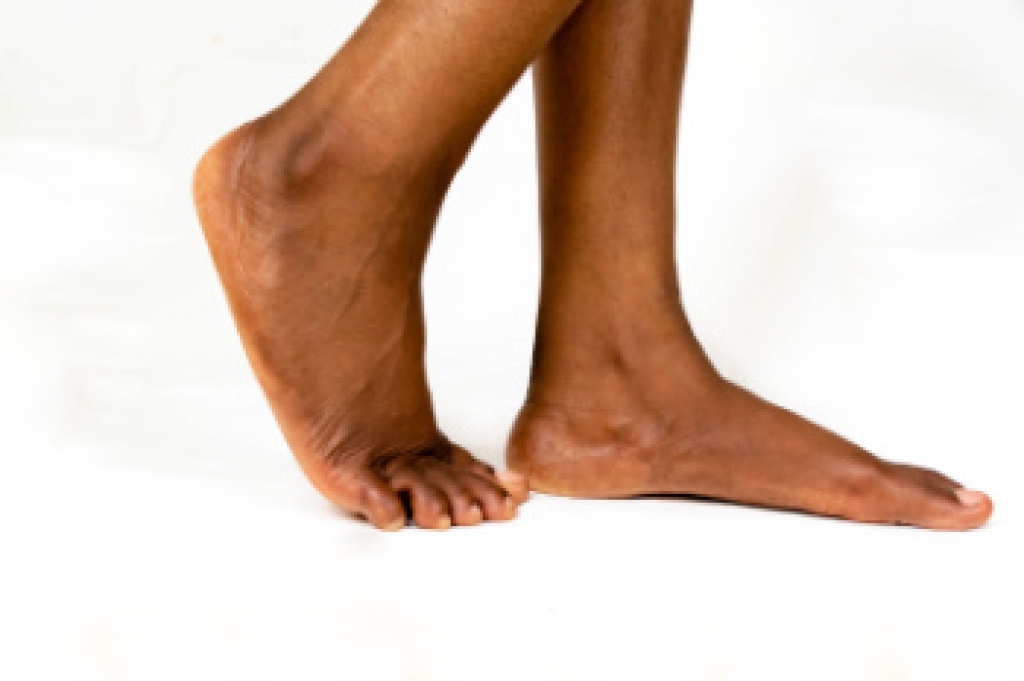
Understanding Achilles Tendon Injuries and Ruptures

The Achilles tendon connects the calf muscles to the heel bone and plays an important role in walking, running, and jumping. It handles strong forces when the foot pushes downward or the body lands after a jump. Achilles tendon injuries can range from irritation and small tears to a complete rupture. Repeated activity can weaken the tendon, while a sudden force can cause it to tear. Basketball, track, and volleyball can place high stress on this area because they involve frequent jumping and landing. However, an Achilles injury can occur in many sports and daily activities.

A rupture can happen when the knee is straight and the foot is suddenly pulled upward while the tendon is under heavy force. Patients can hear or feel a pop at the time of injury. They can also develop immediate weakness when pushing off the foot, making walking difficult. Previous Achilles tendon irritation can increase the risk of a rupture. Weak calf muscles and poor conditioning can also raise the risk. Some patients experience Achilles pain or other symptoms in the weeks before a complete tear occurs, making early evaluation important.

A podiatrist can examine the Achilles tendon and determine the location and severity of an injury. The evaluation can include checking foot movement, calf strength, and the tendon for a gap that can indicate a rupture. A podiatrist can then develop a treatment plan based on the injury and the patient's activity level. Treatment for serious tears can involve immobilization or surgery. Prompt care is important because an untreated rupture can become stiff and scarred, making repair more difficult. If you have an Achilles tendon injury, it is suggested that you schedule an appointment with a podiatrist for effective relief and treatment solutions. 

Achilles tendon injuries need immediate attention to avoid future complications. If you have any concerns, contact Pedram Aslmand, DPM of Advanced Foot and Ankle Center. Our podiatrist can provide the care you need to keep you pain-free and on your feet.

What Is the Achilles Tendon?

The Achilles tendon is a tendon that connects the lower leg muscles and calf to the heel of the foot. It is the strongest tendon in the human body and is essential for making movement possible. Because this tendon is such an integral part of the body, any injuries to it can create immense difficulties and should immediately be presented to a doctor.

What Are the Symptoms of an Achilles Tendon Injury?

There are various types of injuries that can affect the Achilles tendon. The two most common injuries are Achilles tendinitis and ruptures of the tendon.

Achilles Tendinitis Symptoms

  • Inflammation
  • Dull to severe pain
  • Increased blood flow to the tendon
  • Thickening of the tendon

Rupture Symptoms

  • Extreme pain and swelling in the foot
  • Total immobility

Treatment and Prevention

Achilles tendon injuries are diagnosed by a thorough physical evaluation, which can include an MRI. Treatment involves rest, physical therapy, and in some cases, surgery. However, various preventative measures can be taken to avoid these injuries, such as:

  • Thorough stretching of the tendon before and after exercise
  • Strengthening exercises like calf raises, squats, leg curls, leg extensions, leg raises, lunges, and leg presses

If you have any questions please feel free to contact our offices located in Long Beach, CA . We offer the newest diagnostic tools and technology to treat your foot and ankle needs.

Read more about Achilles Tendon Injuries

Common Causes and Types of Foot Pain

Foot pain affects individuals of all ages and activity levels. It refers to discomfort or soreness in any part of the foot, including the heel, arch, or sole. The foot is a complex structure made up of bones, muscles, and ligaments that work together to support movement and balance. When any of these components become strained or damaged, pain can develop. Understanding the definition and causes of foot pain can help individuals identify the source and take appropriate steps toward relief.

Symptoms of foot pain can vary depending on the underlying condition. Common signs include aching, stiffness, and difficulty walking or standing. Some individuals experience sharp pain in the heel, while others may notice tingling sensations or numbness in the toes. These symptoms can interfere with daily activities and reduce overall mobility. Causes of foot pain include overuse, improper footwear, and structural issues within the foot. 


There are several common types of foot pain. Heel pain is often associated with plantar fasciitis, which involves inflammation of the tissue that supports the arch and typically causes discomfort with the first steps in the morning. Bunions and hammertoes are structural deformities that can lead to pressure, irritation, and pain in the toes. Corns are thickened areas of skin that develop from repeated friction and can cause localized discomfort. Additionally, tingling sensations may indicate nerve involvement or compression. Each type has distinct features but shares common contributing factors such as stress and improper support.


Risk factors for foot pain include wearing poorly fitting shoes, engaging in high-impact activities, and having underlying conditions like arthritis or nerve disorders. Foot pain should not be ignored, as it can worsen and affect quality of life. If you are experiencing foot pain, it is suggested that you promptly consult a podiatrist for an accurate diagnosis and appropriate treatment.

Foot Pain

Foot pain can be extremely painful and debilitating. If you have a foot pain, consult with Pedram Aslmand, DPM from Advanced Foot and Ankle Center. Our podiatrist will assess your condition and provide you with quality foot and ankle treatment.

Causes

Foot pain is a very broad condition that could be caused by one or more ailments. The most common include:

  • Bunions
  • Hammertoes
  • Plantar Fasciitis
  • Bone Spurs
  • Corns
  • Tarsal Tunnel Syndrome
  • Ingrown Toenails
  • Arthritis (such as Gout, Rheumatoid, and Osteoarthritis)
  • Flat Feet
  • Injury (from stress fractures, broken toe, foot, ankle, Achilles tendon ruptures, and sprains)
  • And more

Diagnosis

To figure out the cause of foot pain, podiatrists utilize several different methods. This can range from simple visual inspections and sensation tests to X-rays and MRI scans. Prior medical history, family medical history, and any recent physical traumatic events will all be taken into consideration for a proper diagnosis.

Treatment

Treatment depends upon the cause of the foot pain. Whether it is resting, staying off the foot, or having surgery; podiatrists have a number of treatment options available for foot pain.

If you have any questions, please feel free to contact our offices located in Long Beach, CA . We offer the newest diagnostic and treatment technologies for all your foot care needs.

Read more about Foot Pain

Types of Ingrown Toenails

An ingrown toenail, medically known as onychocryptosis, develops when the edge of the nail grows into the surrounding skin. This condition most often affects the big toe and can lead to pain, inflammation, and infection if not treated. It develops when the nail plate presses into the soft tissue, causing irritation and a break in the skin barrier. This can allow bacteria to enter, increasing the risk of infection. Understanding the types and causes of ingrown toenails is important for early recognition and proper care.

There are three main types of ingrown toenails based on the location of the nail growth. The lateral type is the most common and occurs when the side edge of the nail grows into the adjacent skin. The distal type develops at the front edge of the nail, where it presses downward into the skin. The proximal type is less common and involves the base of the nail growing into the surrounding tissue near the cuticle. 


Symptoms of ingrown toenails include redness, swelling, tenderness, and pain along the affected nail edge. As the condition progresses, the area may become warm and produce drainage or pus, indicating infection. Walking and wearing shoes may become uncomfortable due to pressure on the toe. Risk factors include improper nail trimming, wearing tight or narrow footwear, and repetitive trauma from physical activity. Naturally curved nails may also be a factor. Individuals with conditions such as diabetes may face increased complications due to slower healing and reduced sensation.


The causes of ingrown toenails are often related to both mechanical pressure and personal habits. Repeated stress from walking or running may also contribute. Early care and prevention strategies can reduce the likelihood of recurrence and improve comfort. If you have an ingrown toenail, it is suggested that you consult a podiatrist who can effectively treat this condition, which may include minor surgery.

Ingrown toenails may initially present themselves as a minor discomfort, but they may progress into an infection in the skin without proper treatment. For more information about ingrown toenails, contact Pedram Aslmand, DPM of Advanced Foot and Ankle Center. Our podiatrist can provide the care you need to keep you pain-free and on your feet.

Ingrown Toenails

Ingrown toenails are caused when the corner or side of a toenail grows into the soft flesh surrounding it. They often result in redness, swelling, pain, and in some cases, infection. This condition typically affects the big toe and may recur if it is not treated properly.

Causes

  • Improper toenail trimming
  • Genetics
  • Improper shoe fitting
  • Injury from pedicures or nail picking
  • Abnormal gait
  • Poor hygiene

You are more likely to develop an ingrown toenail if you are obese, have diabetes, arthritis, or have any fungal infection in your nails. Additionally, people who have foot or toe deformities are at a higher risk of developing an ingrown toenail.

Symptoms

Some symptoms of ingrown toenails are redness, swelling, and pain. In rare cases, there may be a yellowish drainage coming from the nail.

Treatment

Ignoring an ingrown toenail can have serious complications. Infections of the nail border can progress to a deeper soft-tissue infection, which can then turn into a bone infection. You should always speak with your podiatrist if you suspect you have an ingrown toenail, especially if you have diabetes or poor circulation.

If you have any questions, please feel free to contact our offices located in Long Beach, CA . We offer the newest diagnostic and treatment technologies for all your foot care needs.

Read more about Ingrown Toenails

Heel Pain Can Be Treated!

Do you suffer from heel pain when you get up in the morning? If so, you should seek professional help and have a proper diagnosis performed. Heel pain can be caused by several different foot-related conditions.

Importance of Diabetic Foot Care

Diabetes can place the feet at risk even before a patient notices a problem. High blood sugar can damage nerves, which can reduce feeling in the toes and soles. It can also narrow blood vessels and limit the oxygen that reaches injured tissue. As a result, a small blister, cut, or pressure spot can go unnoticed and heal poorly. An untreated wound can develop into an ulcer, which is an open sore. Infection can then spread into deeper tissue or bone. In severe cases, these complications can lead to limb loss.

Regular visits to a podiatrist helps find warning signs before they become serious. A podiatrist can inspect the skin, nails, and spaces between the toes. The examination also includes checking blood flow, nerve function, and changes in foot shape. These checks can reveal numbness or pressure points that increase the risk of a wound. A podiatrist can safely trim problem toenails and reduce thick calluses that create pressure. The doctor can also treat ulcers, remove unhealthy tissue, and use dressings to support healing. Signs of poor circulation can lead to further testing or a referral to another specialist.

A podiatrist can recommend properly-fitted shoes, custom orthotics, or protective padding to reduce rubbing and pressure. Patients with a past ulcer, poor circulation, or loss of feeling need closer monitoring. The doctor can set an examination schedule based on a patient’s level of risk. Prompt care is especially important for redness, swelling, or warmth in one foot. Patients should also report drainage, an open sore, or a change in skin color. Fever or increasing pain can signal an infection that requires prompt medical attention. Consistent visits to a podiatrist can protect mobility and help avoid hospital care, serious infection, or loss of limb. If you have foot complications from diabetes, it is suggested that you are under the care of a podiatrist who can help you to manage this serious condition. 

Diabetic foot care is important in preventing foot ailments such as ulcers. If you are suffering from diabetes or have any other concerns about your feet, contact Pedram Aslmand, DPM from Advanced Foot and Ankle Center. Our podiatrist can provide the care you need to keep you pain-free and on your feet.

Diabetic Foot Care

Diabetes affects millions of people every year. The condition can damage blood vessels in many parts of the body, especially the feet. Because of this, taking care of your feet is essential if you have diabetes, and having a podiatrist help monitor your foot health is highly recommended.

The Importance of Caring for Your Feet

  • Routinely inspect your feet for bruises or sores.
  • Wear socks that fit your feet comfortably.
  • Wear comfortable shoes that provide adequate support.

Patients with diabetes should have their doctor monitor their blood levels, as blood sugar levels play such a huge role in diabetic care. Monitoring these levels on a regular basis is highly advised.

It is always best to inform your healthcare professional of any concerns you may have regarding your feet, especially for diabetic patients. Early treatment and routine foot examinations are keys to maintaining proper health, especially because severe complications can arise if proper treatment is not applied.

If you have any questions, please feel free to contact our offices located in Long Beach, CA . We offer the newest diagnostic and treatment technologies for all your foot care needs.

Read more about Diabetic Foot Conditions

Connect With Us

Advanced Podiatric Procedures & Services in the Los Angeles County, CA: Long Beach, Signal Hill, Lakewood, Paramount, Carson, Compton, Cerritos, Bellflower, Downey, Norwalk, Huntington Park, Orange County, CA: Seal Beach, Los Alamitos, Cypress, Buena Park, Garden Grove, Fountain Valley areas